Market Entry & Scale-Up
Introduced Philips Lighting and GE Lighting to the Chinese market and built distribution across 50 cities.
Founder & Chief Executive Officer, Leaders Capital Limited
Three decades building and leading businesses across Greater China and the Asia-Pacific — first as a senior executive for Philips, GE, Carlsberg, Novartis and NetEase, today as a venture capital and family office principal investing at the intersection of healthcare, technology and cross-border growth.
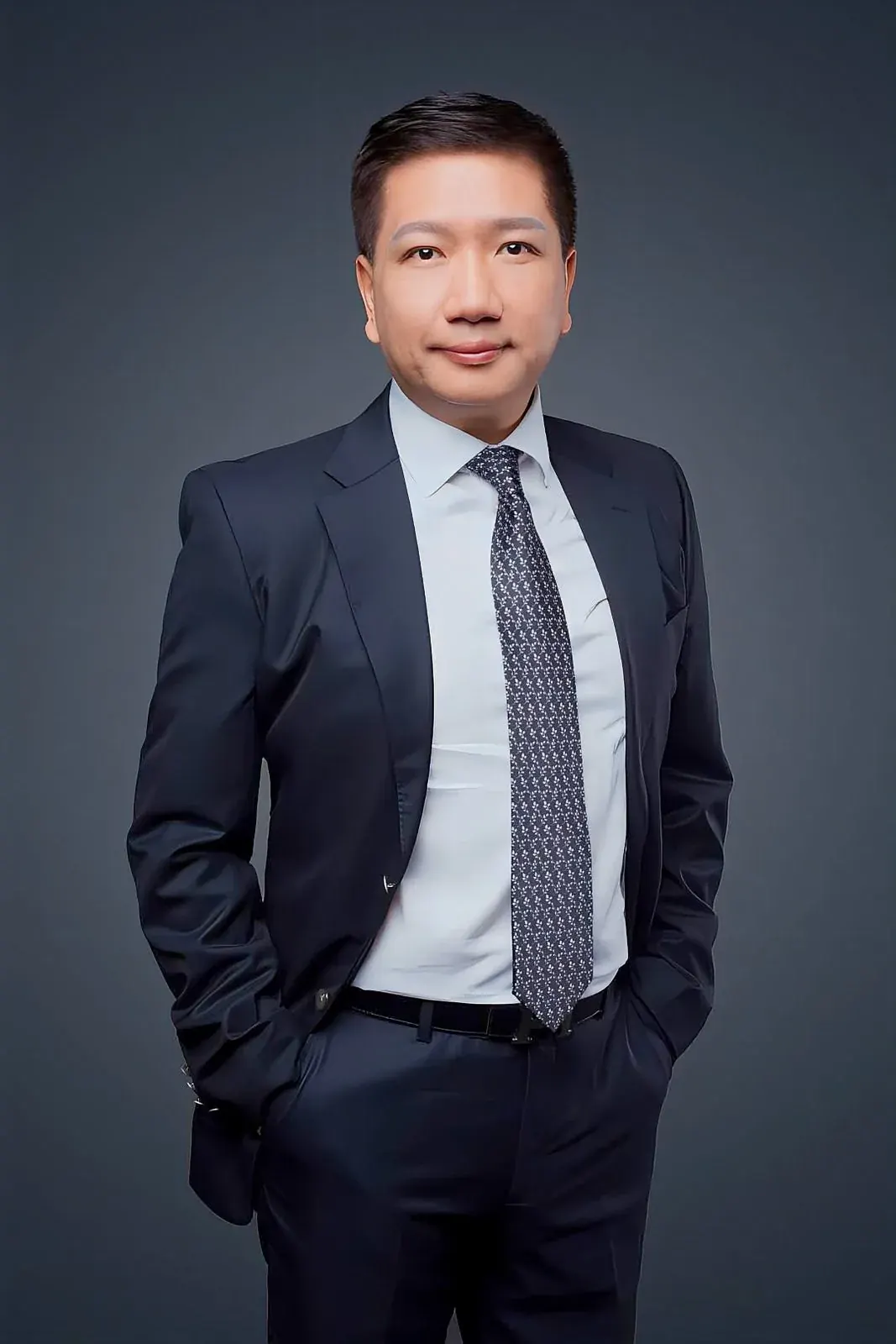
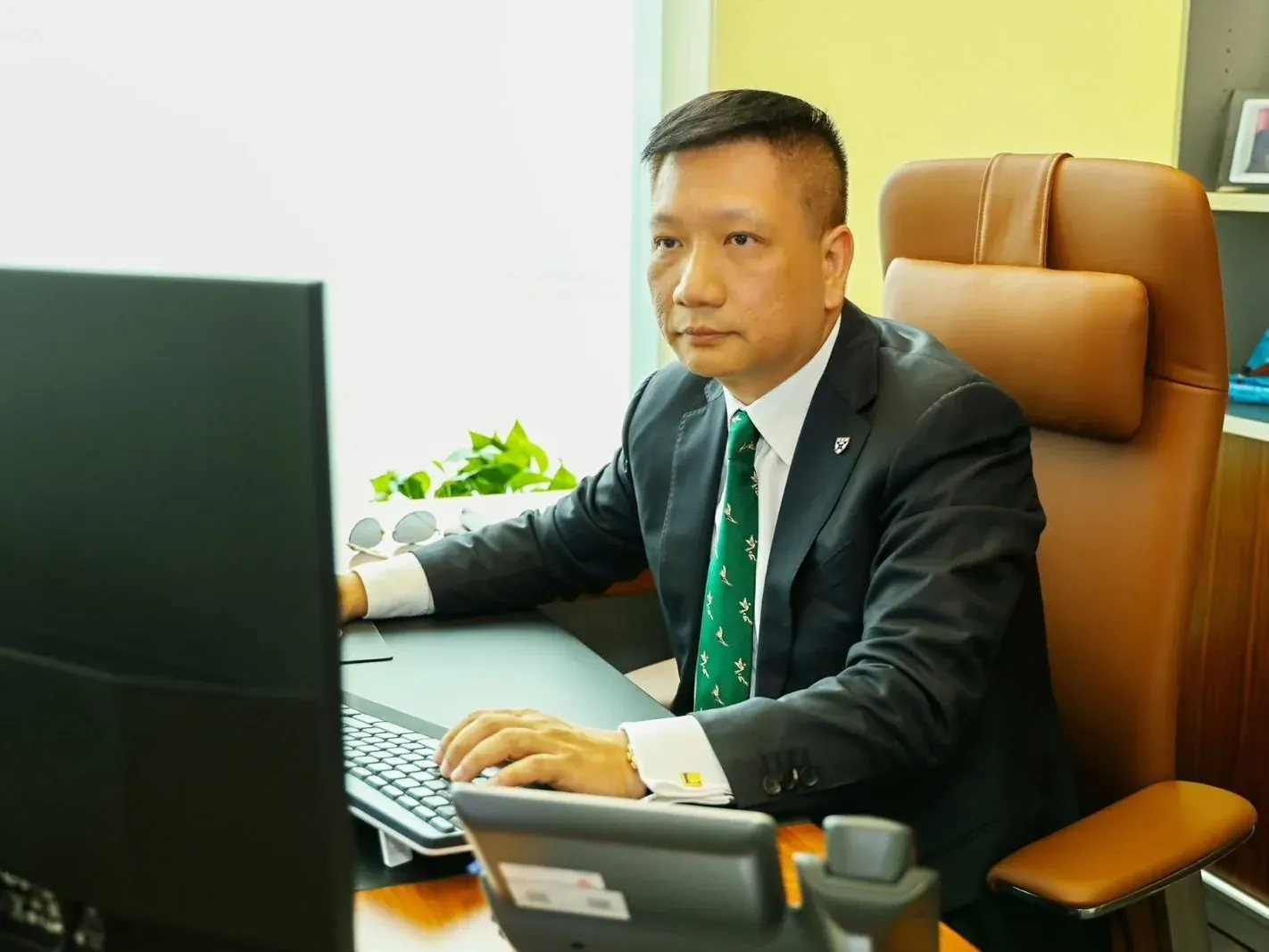
Eric Cheung is the Founder and Chief Executive Officer of Leaders Capital Limited, a Hong Kong-based venture capital and family office platform investing across the Asia-Pacific region. Since 2019 he has directed the firm toward opportunities that combine commercial return with measurable impact — with a particular concentration in healthcare, medical supply chains and technology-enabled growth.
That investment thesis is grounded in an unusually broad operating career. Over more than twenty years in Mainland China, he held senior executive mandates at both Western multinationals — Philips, General Electric, Carlsberg and Novartis — and at defining Chinese enterprises including NetEase and Linksus Communication Group. In each, he was brought in to open a market, turn a business, or build an organisation from the ground up.
He began his career at Philips Hong Kong and holds an MBA from London Business School, an AMP from Harvard Business School (AMP 184) and a Bachelor of Social Science from The Chinese University of Hong Kong.
Introduced Philips Lighting and GE Lighting to the Chinese market and built distribution across 50 cities.
During his tenure NetEase launched one of the first self-developed online games among China's major portals, and in Q2 2002 became the first Chinese portal to reach profitability. In 2025, gaming contributed about 82% of the company's total net revenue.
Grew Novartis China's OTC franchise — with Voltaren Emulgel topping RMB 100 million in annual sales as the country's leading topical Western-medicine brand — and drove Carlsberg to a leading position among imported beer brands in China.
Founder of two Hong Kong investment vehicles; board and advisory mandates in the Netherlands and the United Kingdom.
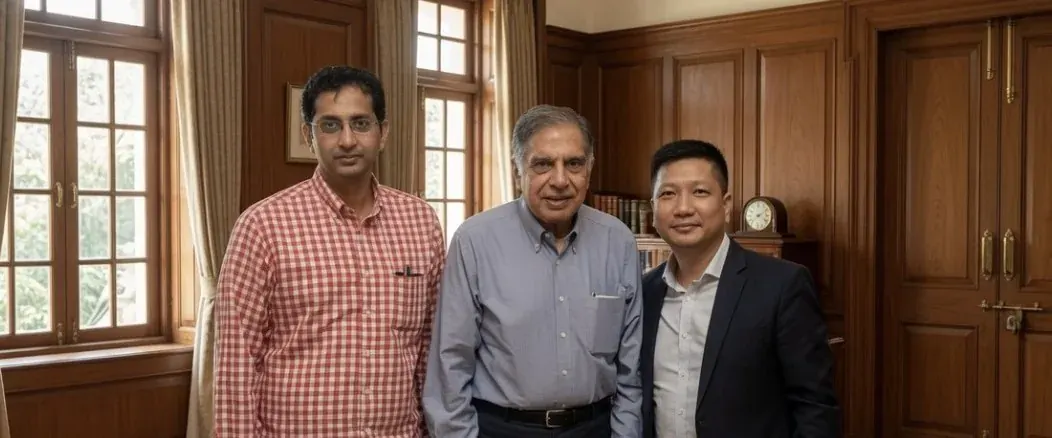
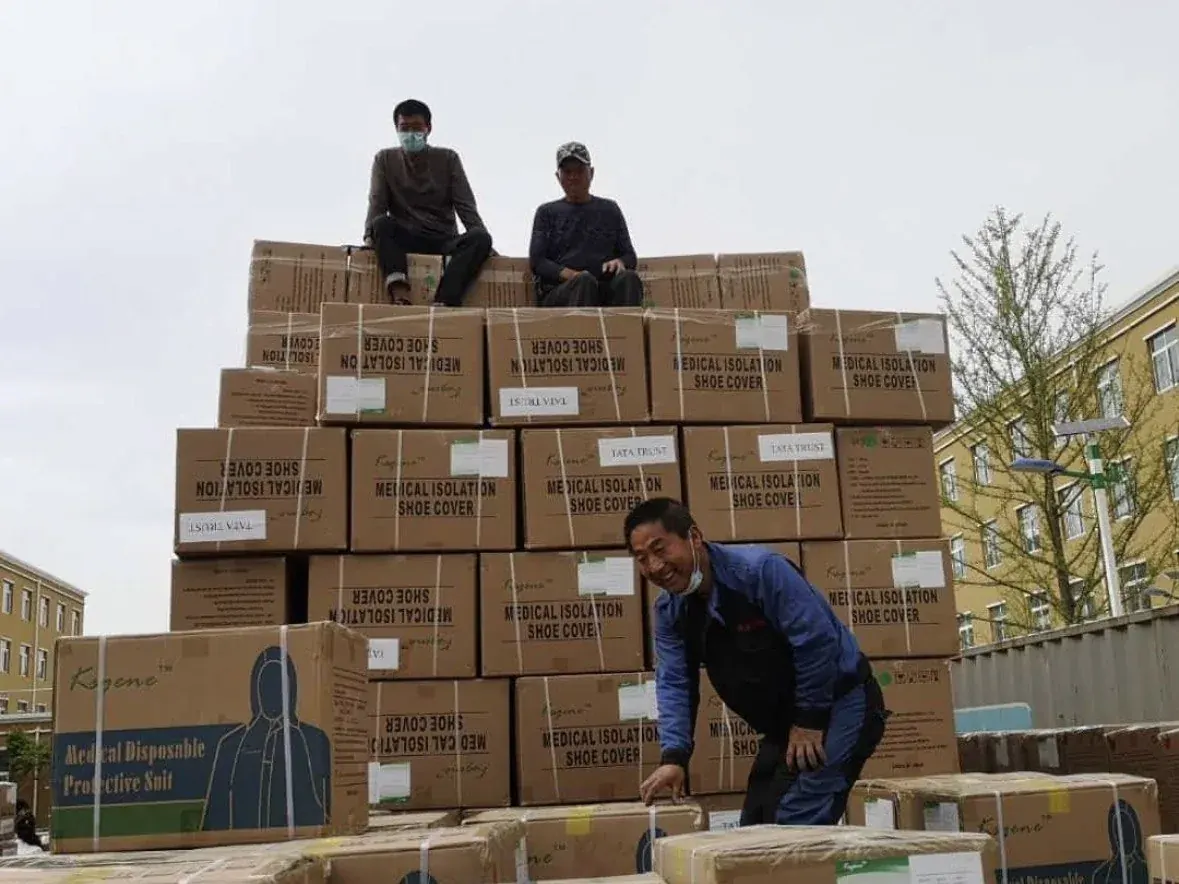
At the height of the COVID-19 pandemic, India faced an acute shortage of oxygen concentrators, ventilators and critical-care equipment while global supply chains seized. Leaders Capital was asked to solve a problem that was simultaneously commercial, logistical and diplomatic.
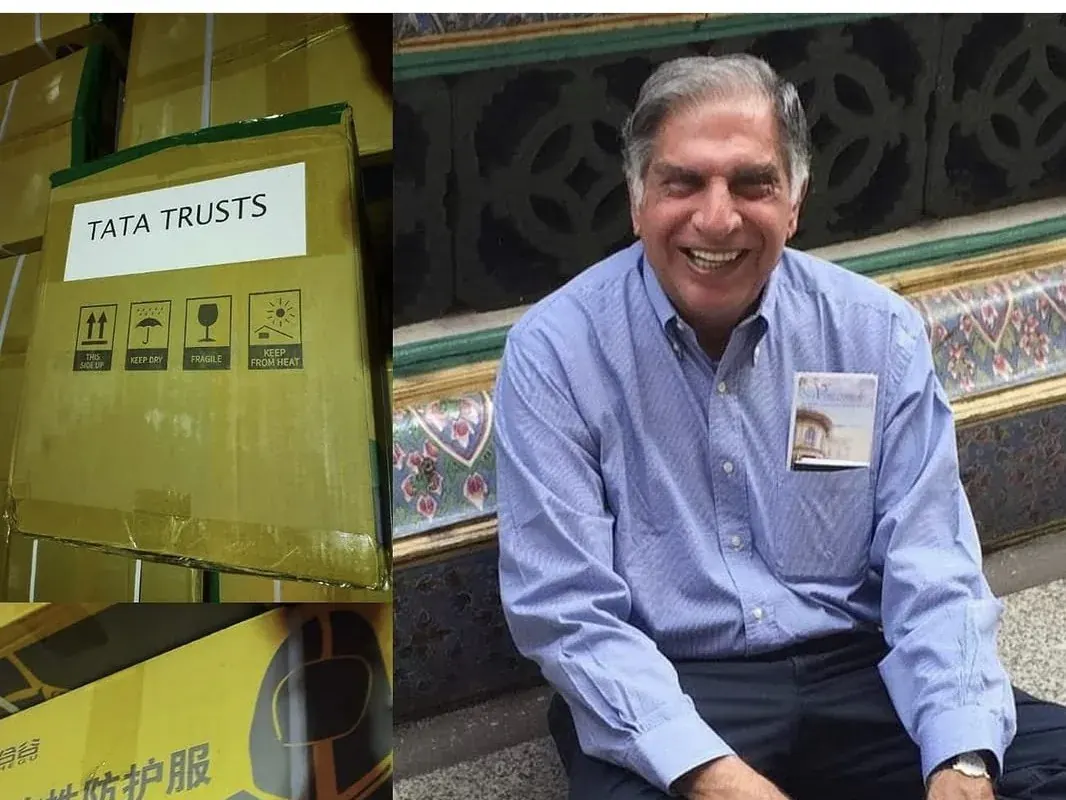
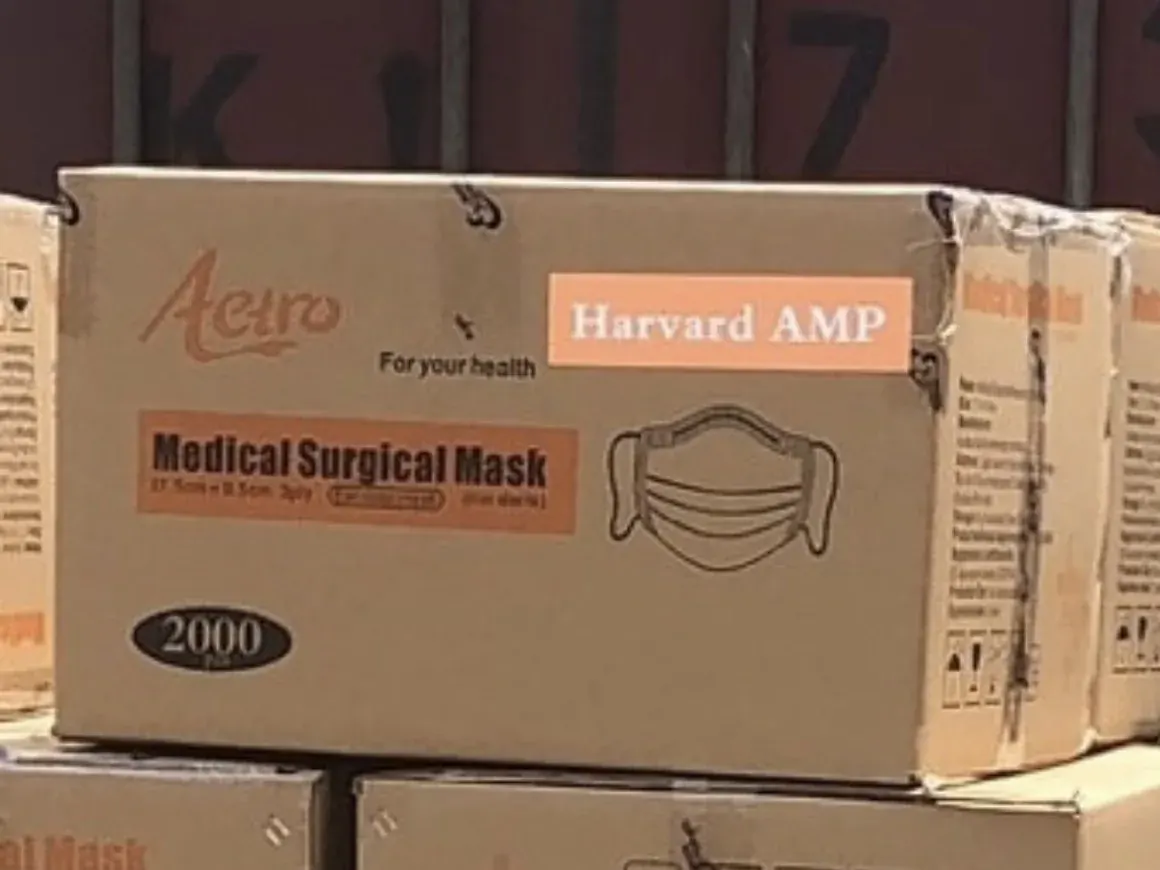
Eric Cheung led the sourcing effort across Chinese and regional manufacturers, negotiated allocation in a market where every buyer was competing for the same units, and worked directly with the Tata Trust — one of India's oldest and most respected philanthropic institutions — to coordinate customs clearance, in-country logistics and distribution to the hospitals that needed it most.
More than US$30 million of equipment was sourced and delivered under six sales contracts concluded with Tata International Singapore Pte Ltd between January 2021 and January 2022, with the Tata Trusts office in Odisha as consignee. Contract numbers can be provided to editors for verification on request. The initiative remains the clearest expression of how Leaders Capital operates: relationships built over decades, converted into execution under pressure.
Two originals — the request and the thanks
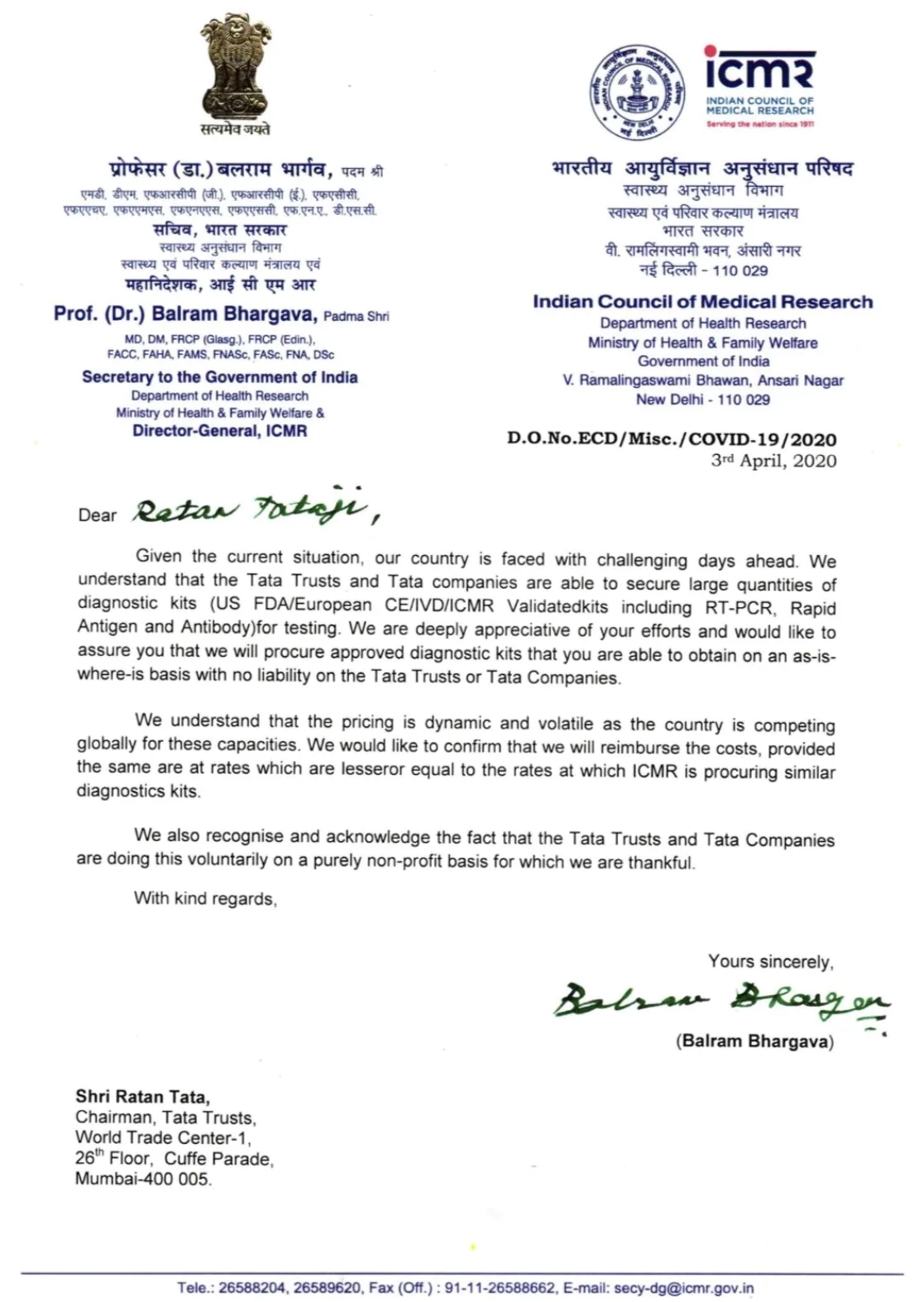
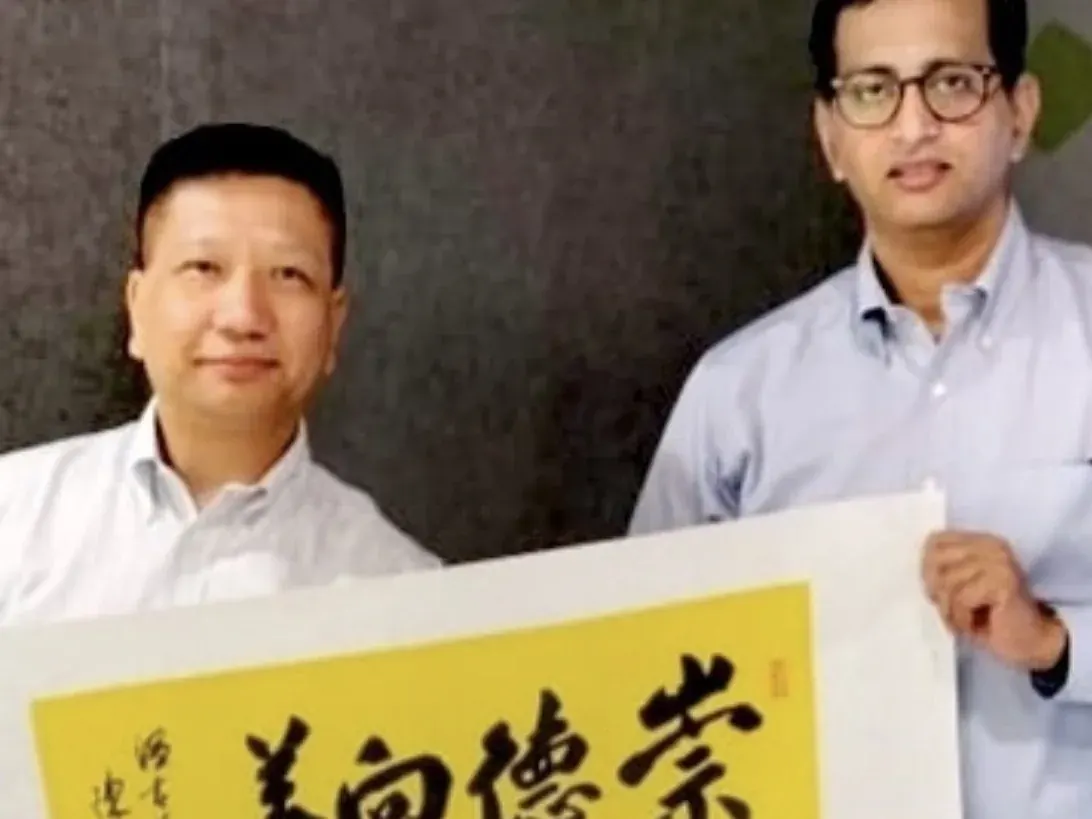
The English name Aranti Capital was chosen by Mr. Ratan Tata; the Chinese name, “Zhongta Capital”, by Eric Cheung. From 2015 to 2024, through Aranti Capital and Leaders Capital, we partnered with Mr. Tata’s RNT Associates to invest in a new generation of Indian startups.
The Tata Group is India's sole multinational conglomerate — at once the nation's largest traditional industrial house and its foremost software-outsourcing enterprise. Yet across its vast commercial map, one piece was missing: emerging, digital-native companies. Our investments were built to fill exactly that gap.
Each portfolio company draws on the Tata Group's unrivalled brand authority, its far-reaching commercial network, its bench of senior management talent and its access to capital — enabling rapid scale. The thesis is simple: take business models already proven in China and replicate them on Indian soil.
Mr. Tata's personal investments from that period carry a public timeline — Paytm (March 2015), Xiaomi (April 2015, the first Indian to take a stake), Ola (July 2015), Abra (October 2015), FirstCry and Tracxn (January 2016); Zee News, Inc42 and The Telegraph have each compiled it. That run covers precisely the two years after Aranti Capital was set up in July 2015. Our own participation was held under his name and structures rather than ours, at his arrangement, and therefore does not appear in public share registers.
“You could say Mr. Tata is a safety net. Building in India, you can never quite be sure that difficulties will not arise — nor that China and India will never differ. Because of Mr. Tata, our fund carries an extra layer of safety net.”
The English text above is a translation; the original Chinese answer is quoted verbatim at the link.
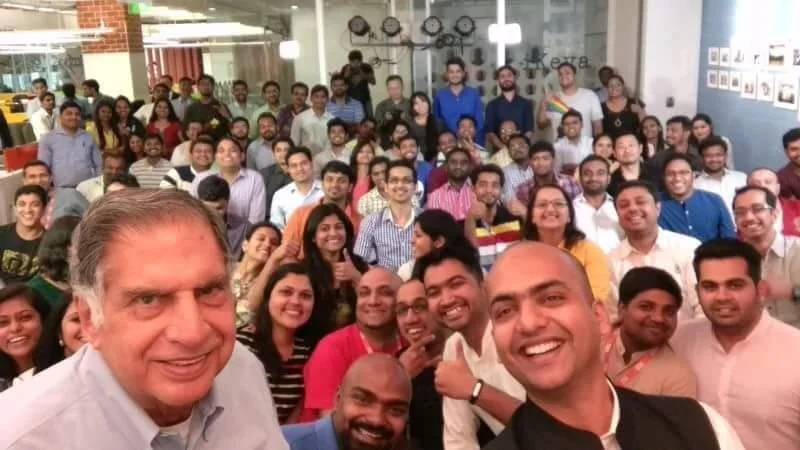
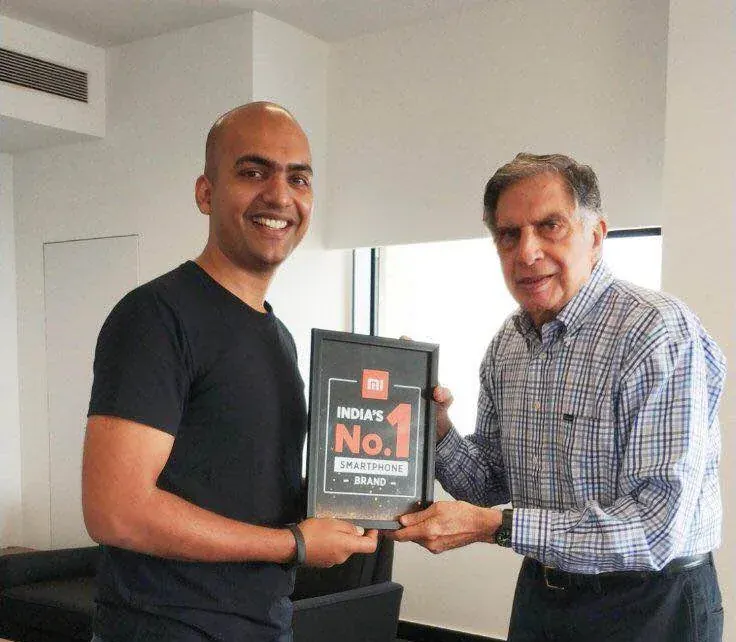
Images: Xiaomi India (press photographs, reproduced with attribution). He took the stake in a personal capacity in April 2015; Xiaomi first became India’s No.1 smartphone brand by quarterly shipments in Q4 2017 — Canalys had it at 27% against Samsung’s 25% — and No.1 for a full year in 2018.
The link between the two sides is therefore not shared ownership but counterparties on the same deals: he took his share, I took mine, and on registration mine was consolidated into his structures — which is why the register shows him and not us.
“Prior to Sygnum, he was General Manager at RNT Associates, Mr. Ratan N. Tata’s personal investment platform, which he joined as the first team member.”
What RNT Associates is does not need my definition: this line sits in the official executive-board biography of Sygnum’s co-founder and group CEO. Whoever wrote it had no reason to dress anything up.
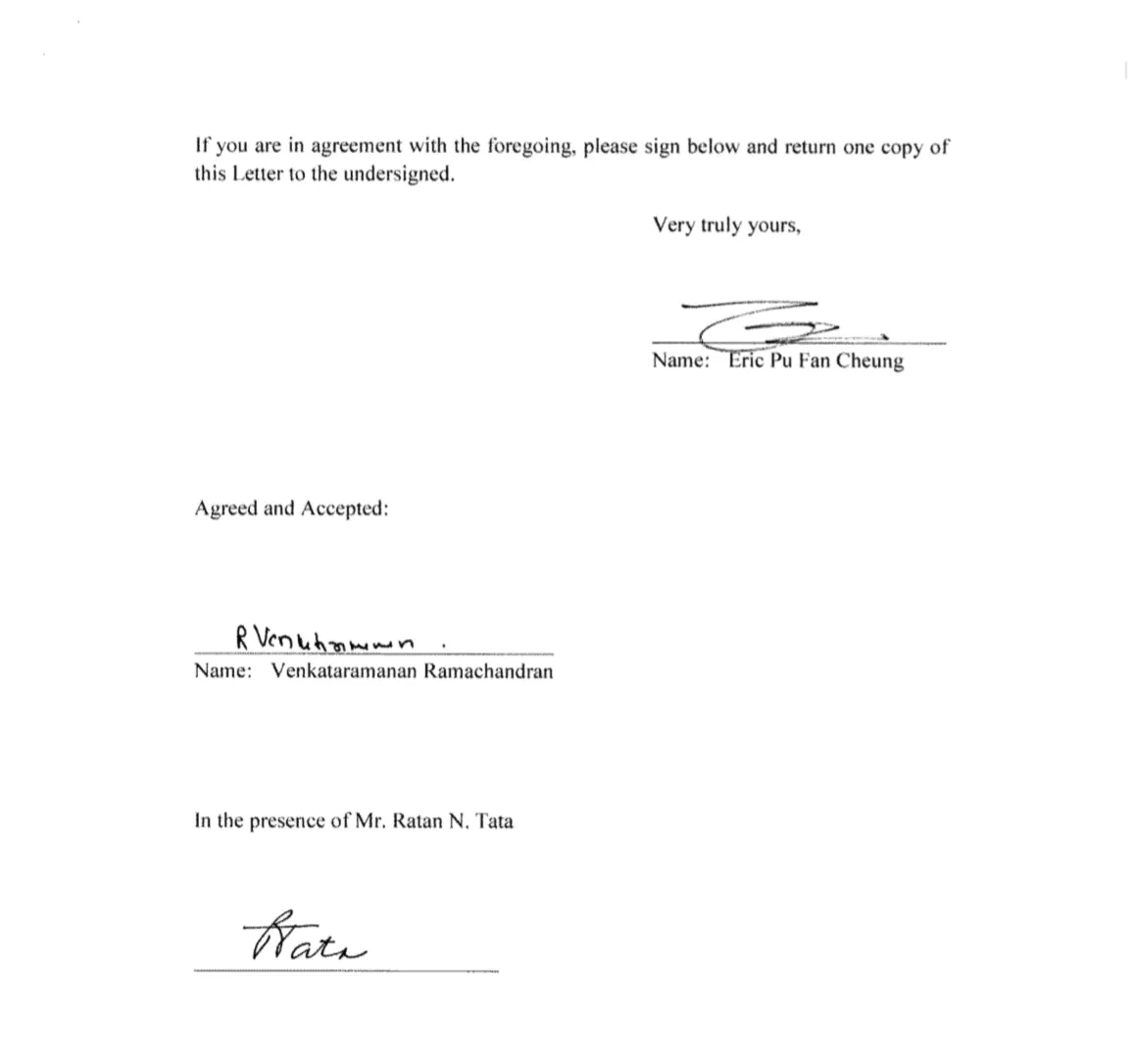
The English name Aranti Capital was chosen by Mr. Ratan Tata; the Chinese name, “Zhongta Capital”, by Eric Cheung — the name all four records above use. The cooperation is on paper: the letter of intent — its signature page is shown in this section, the body withheld under a confidentiality clause — followed by definitive agreements signed thereafter. The holding entity, Aranti Capital Company Limited, was wholly funded and owned by Eric Cheung; Mr. Tata held no shares, and the two sides co-invested project by project.
Aranti Capital Company Limited (中塔资本)· 2015 — 2026
This section lists only occasions I attended in person. Each entry gives the date, occasion, host and the capacity I was there in; where it can be checked against a public agenda or a third-party report, it is marked “publicly verifiable”. A photograph proves no relationship — it proves I was in the room.
Of the ten entries where we met, nine rest on evidence only I hold — a photograph, a letter, a scroll. Exactly one, the Boao Forum for Asia 2019, can be checked by you against a public agenda. This sentence is here so that you do not have to count. The eleventh entry is not a meeting record — it is a farewell.
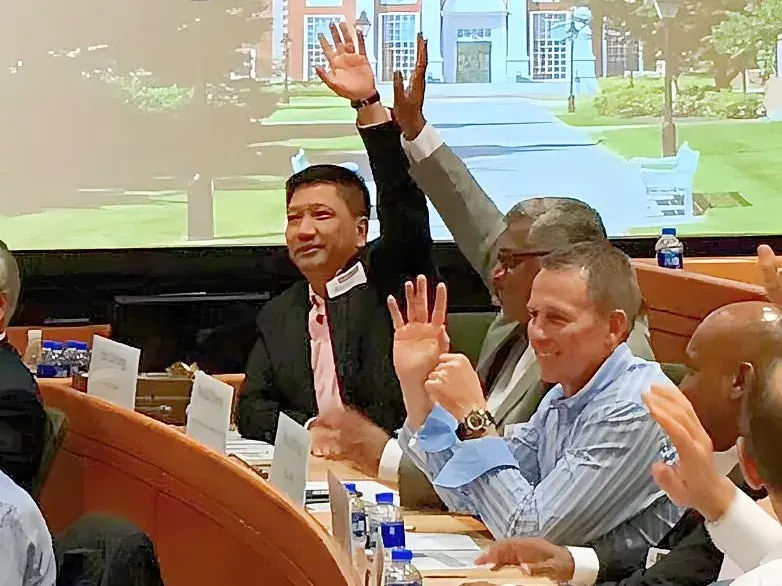
This is where I first met him in person. My classmate R. Venkataramanan (Venkat) was then an executive trustee of Tata Trusts, and later became chief executive of the UC-RNT Fund.
Classroom wide shot — Mr. Tata at the front, I am in the audience.
We talked at length that evening. Soon afterwards Venkat, my classmate, put a proposal to me on his behalf: to invest in India together. The relationship did not begin with a contract; it began in that dining room.
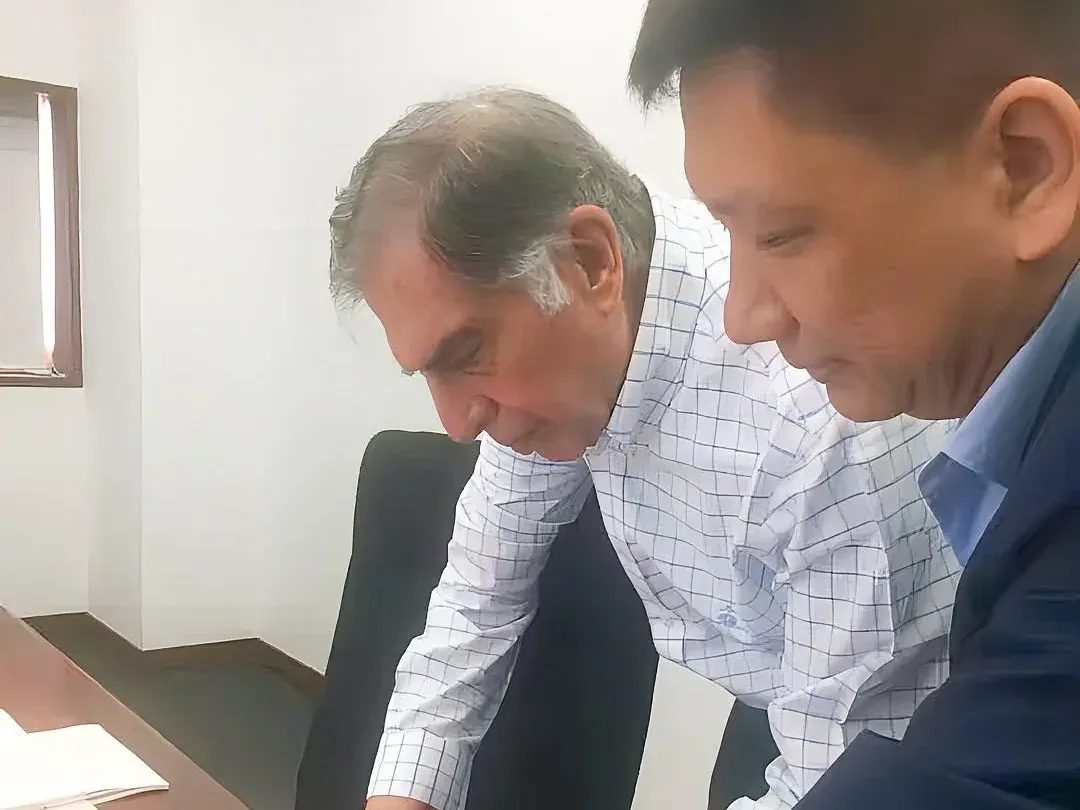
The only photographed moment of signature. The text on the paper is unreadable and the contract itself is not public: what the photograph proves is that a signing took place, and who was in the room — not what the terms were.
Two frames, one day: his hand on the papers, and the lintel that proves where that table stood.
After the signing, what to invest in and how was worked out here. In July of that same year, Aranti Capital was incorporated in Hong Kong.
Beside me that day was Dr. Mathias Imbach (Swiss; far right in the group photograph), then General Manager of RNT Associates — the first person to join the platform. He is now Co-Founder and Group CEO of the digital asset bank Sygnum.
Group photographs are not used as a roster: only Venkat and Dr. Mathias Imbach are named, other colleagues are not. The portraits on the wall in the fourth frame are Tata family portraits, not people present that day — the record here is Venkat, Mathias and the RNT team; Mr. Tata himself was not there.
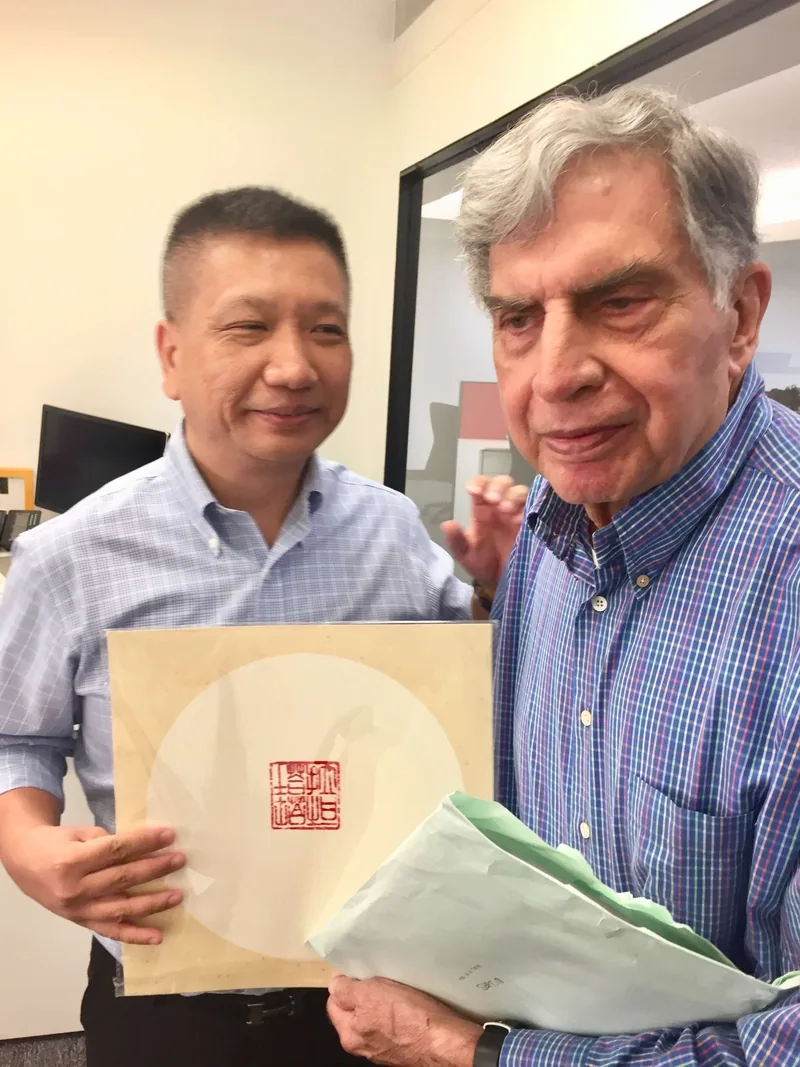
What I brought that year was a framed seal print: a Chinese square seal, stamped on paper. He was holding something else. One object each — that is the entire record of that day.
The seal inside the frame is too small to read at this size; the photograph proves a meeting and a gift, not what the seal says.
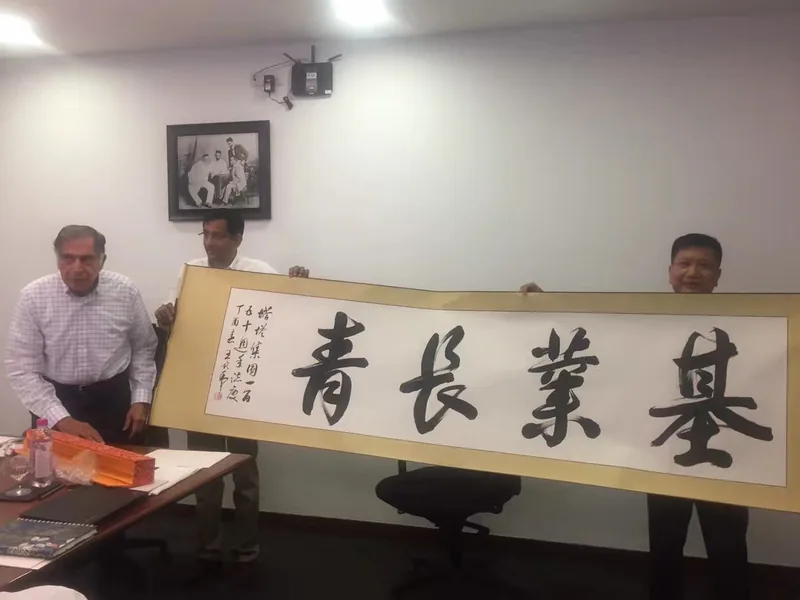
I do not have to remember the year — the scroll states it. The four characters read 基業長青 (right to left: “may the enterprise endure”); the colophon reads “The Tata Group, 150th anniversary · spring of dingyou”. Dingyou is the spring of 2017, and the Tata group, founded in 1868, reached its 150th year in 2018. People lose track of dates; ink does not. Left to right in the frame: Mr. Tata himself, Venkat, and me — three people, one scroll.
基業長青 is a wish, not a title: it says what I brought, not what he promised.
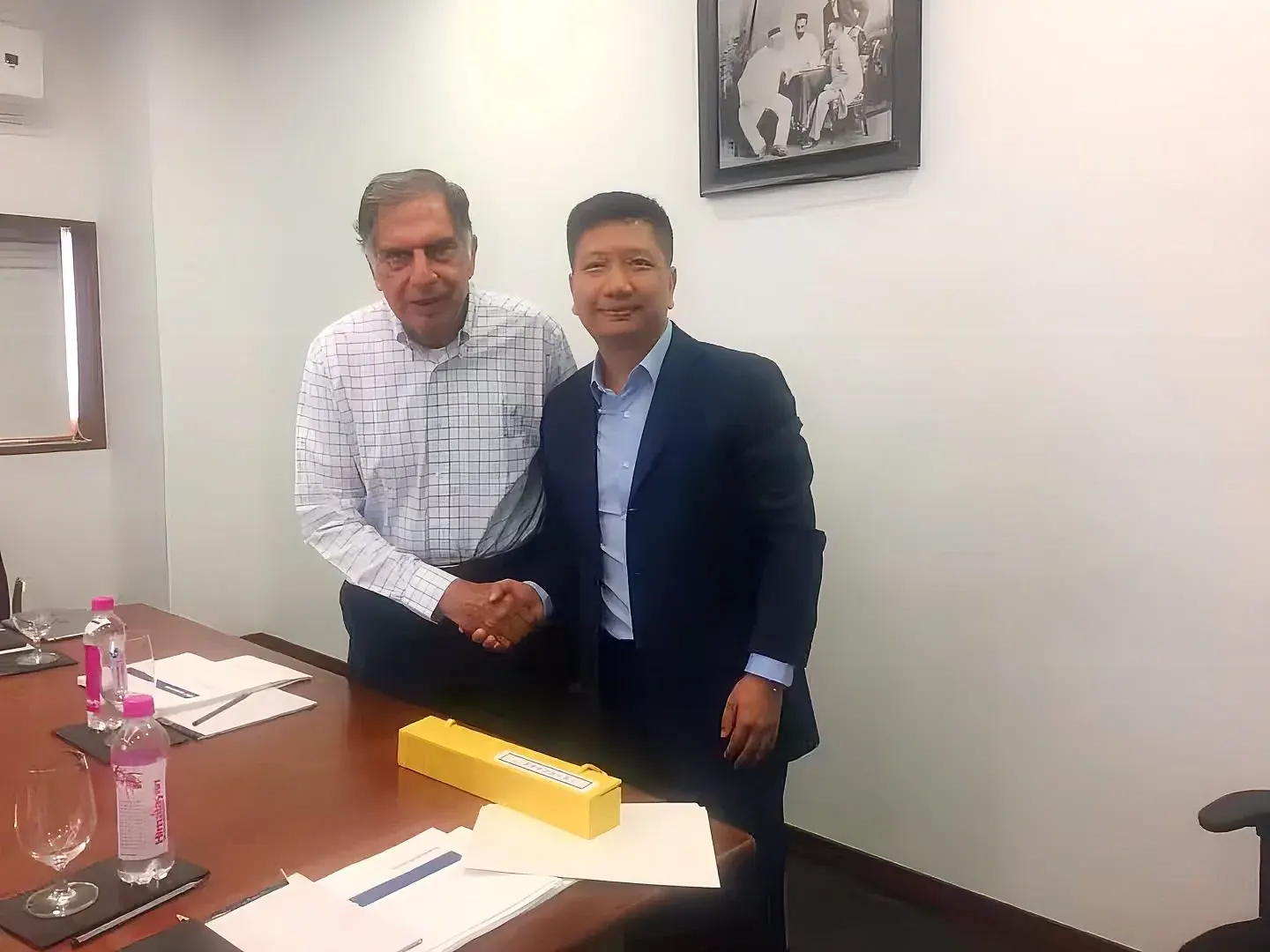
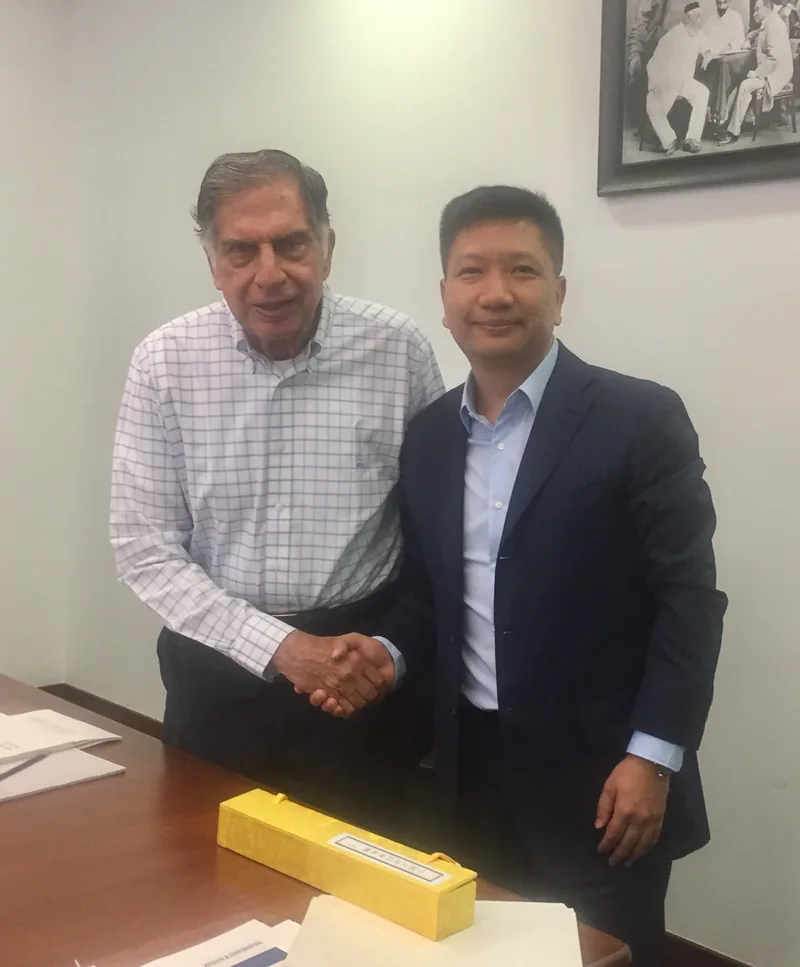
Nothing was signed that year and no scroll changed hands — a handshake, a photograph, a yellow box left on the table. Once a year; the meeting itself was the content.
The yellow box at the corner of the table was my gift. What was inside is not evidenced by this photograph, so it is not stated.
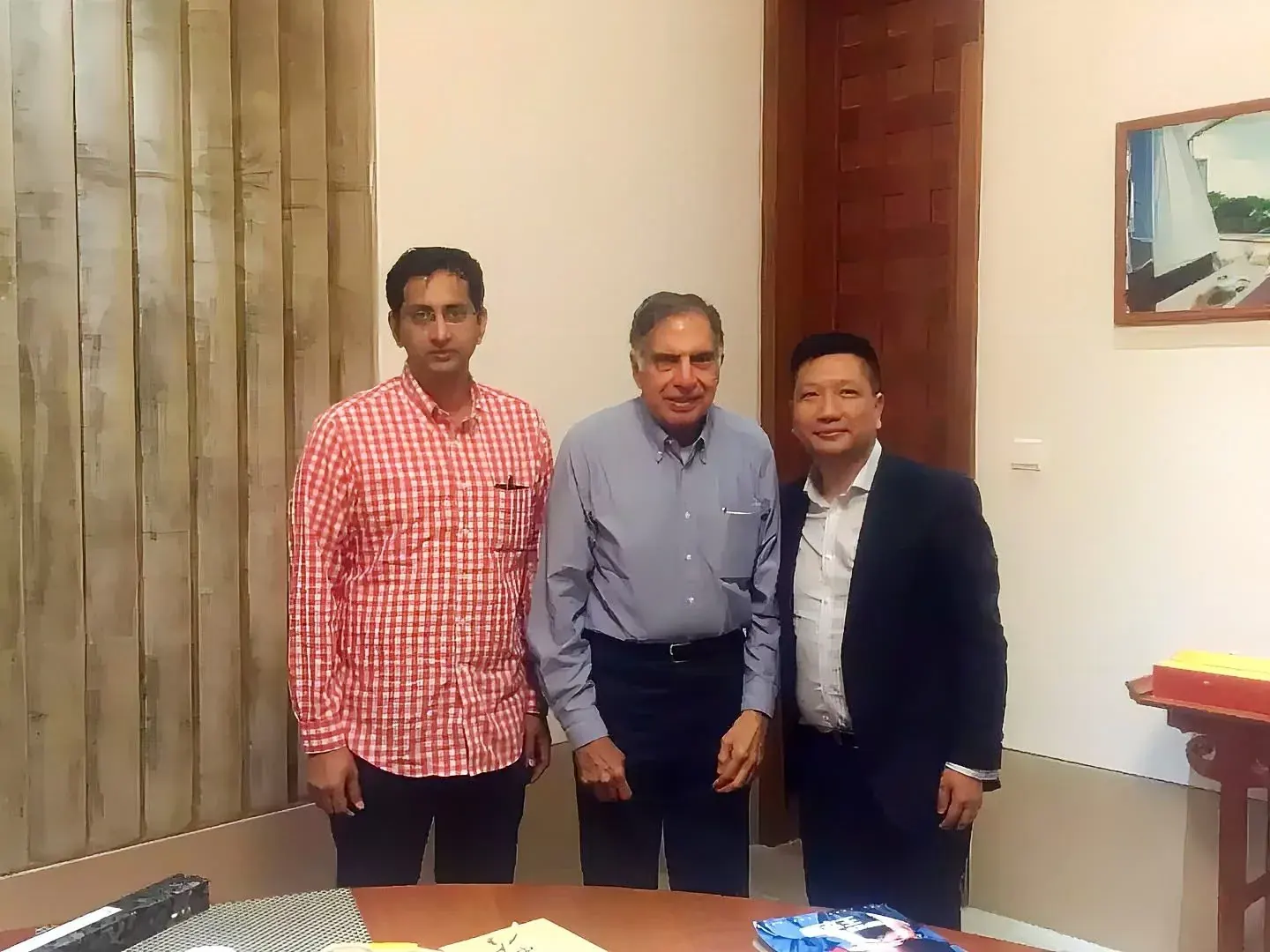
This entry is marked “publicly verifiable” not because of my photograph but because of a list: in the conference guest list published by China Daily’s Hainan channel on 20 March 2019, the first name under “corporate guests” is “Ratan Tata, Chairman Emeritus, Tata Group”. The list places him there; the photograph places me there. Each stands on its own — only together do they amount to “we met”.
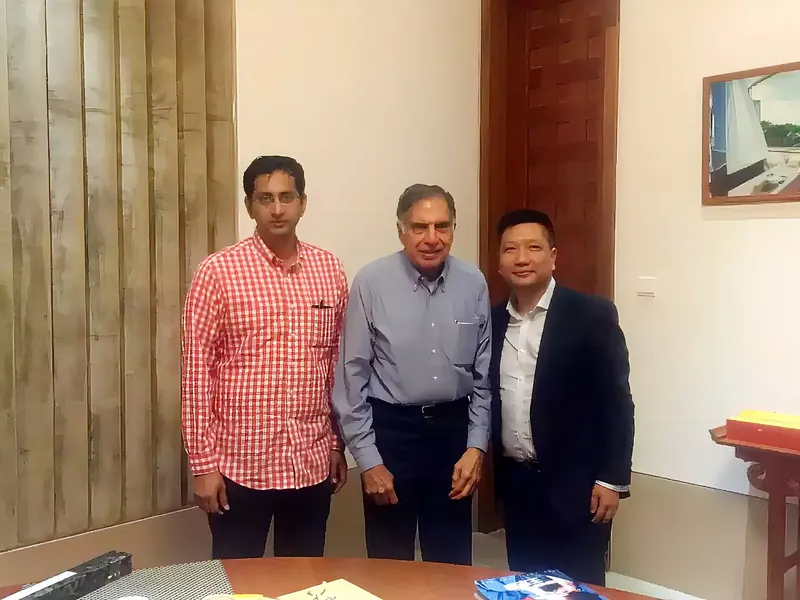
The gift box on the table was a private present from me. The book lying open is a biography of him by another author; he signed it for my son Freddy. Neither belongs to any commercial story, and both are the hardest part of that day to reproduce.
The third frame is a working session from the same trip, in a hotel meeting room; the bottle on the table is Chinese. Mr. Ratan Tata is not in it — it does not prove the meeting, it proves that I was in China that week doing the work.
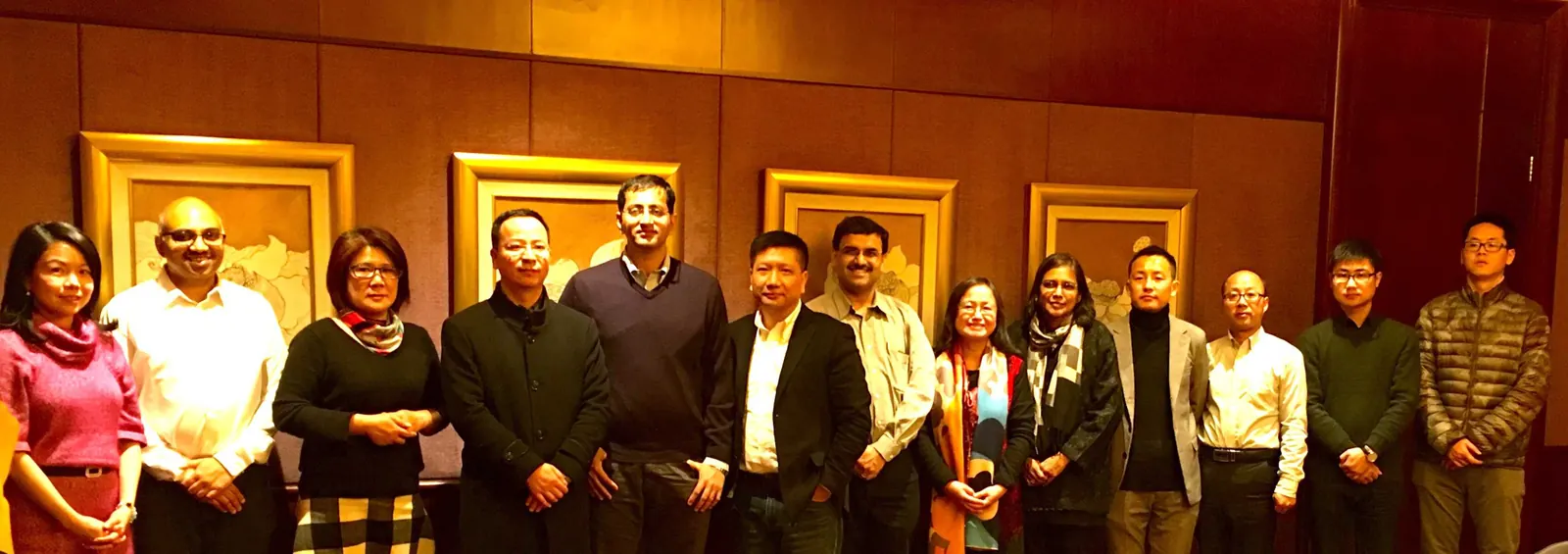
That year they came: the whole team flew to Shanghai and lined up in front of the rosewood wall. For years I had been the one flying to Mumbai — this entry runs the other way.
Group photographs are not used as a roster: apart from myself, no names.
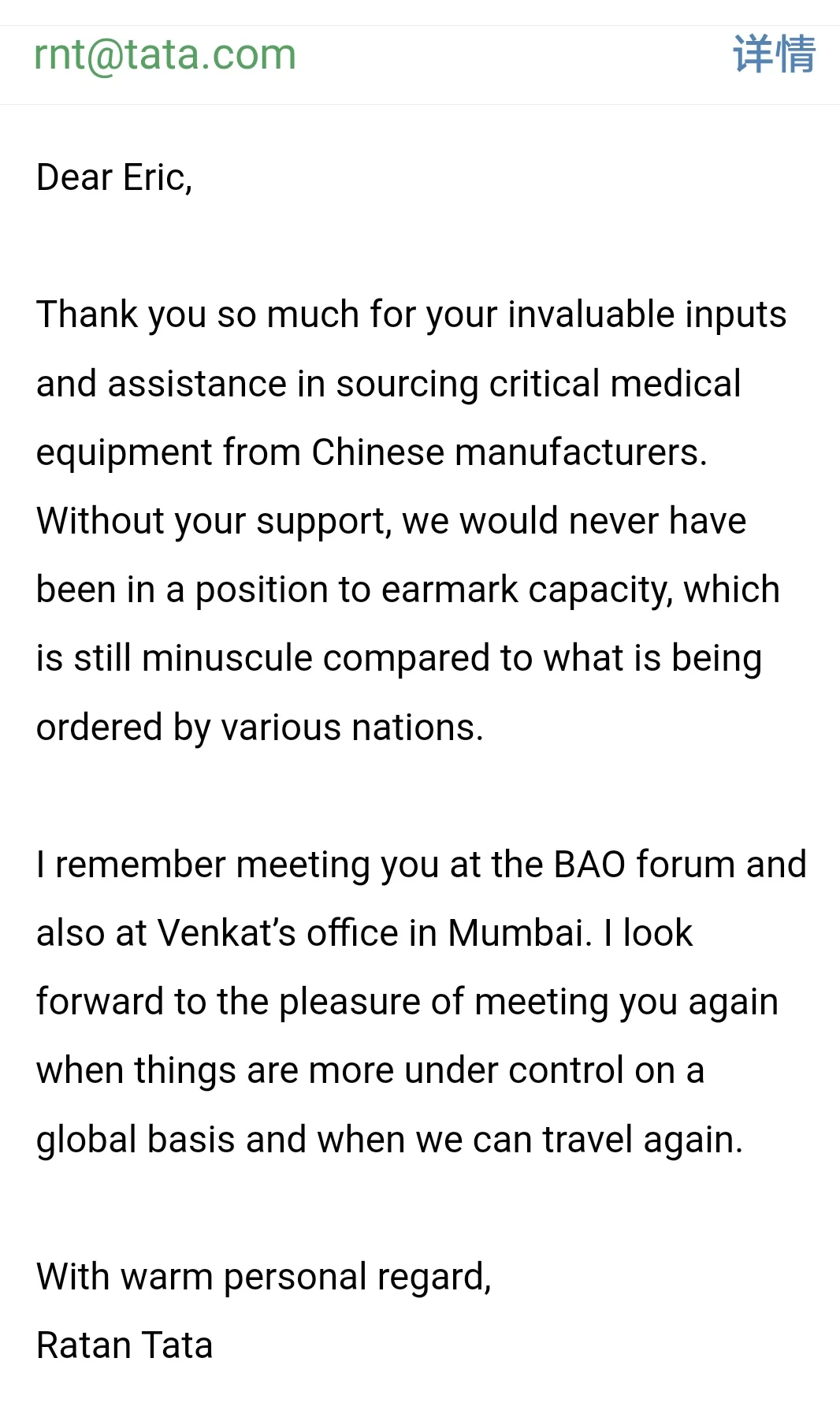
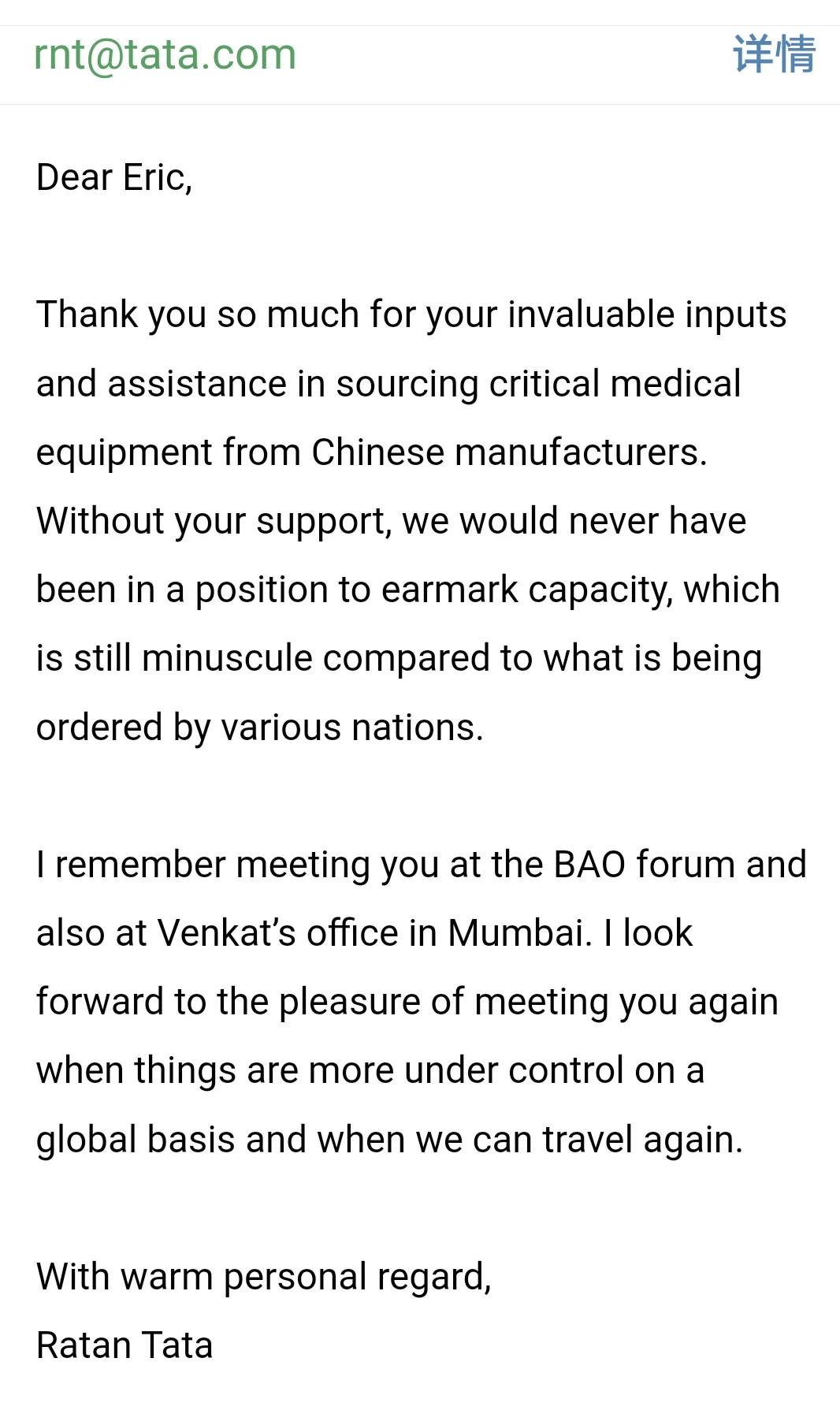
In March 2020 he wrote to thank me for helping source critical medical equipment from Chinese manufacturers. One sentence in it does more than anything I could write myself: “I remember meeting you at the BAO forum and also at Venkat’s office in Mumbai.” Entries 04 and 08 above are vouched for by him, not by me.
Reproduced without cuts. It is private correspondence; it appears here because the writer’s own words say it more directly than any description of mine.
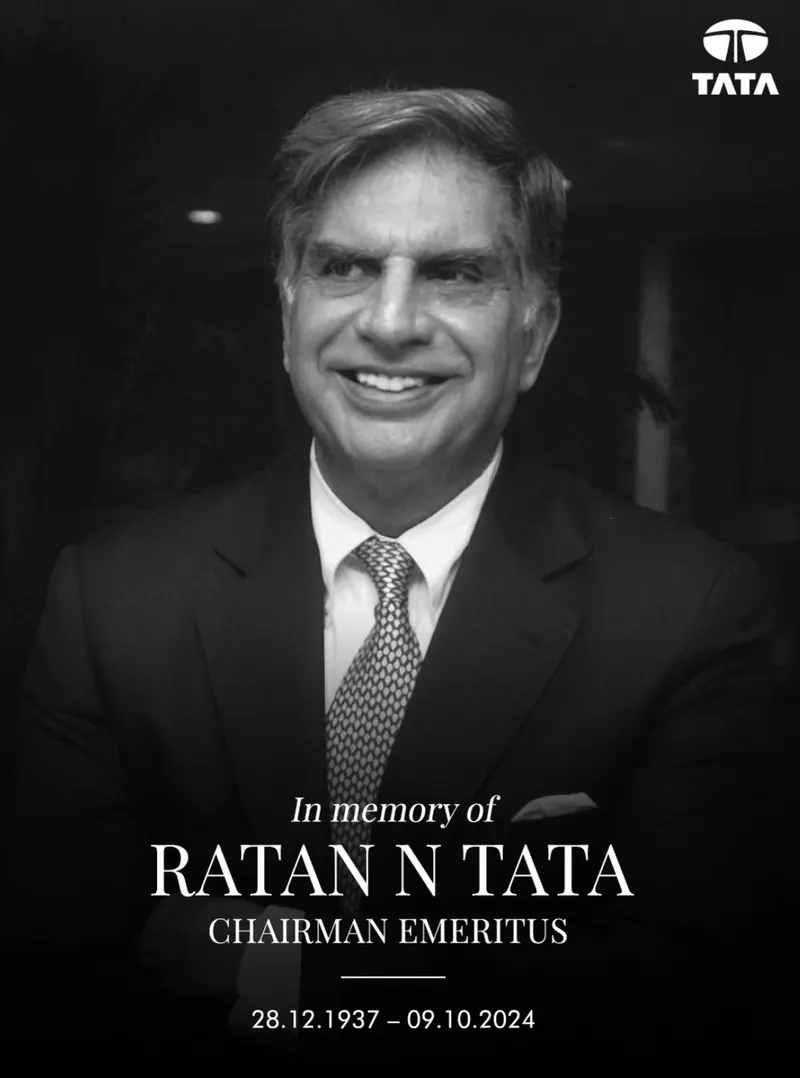
After COVID-19, Mr. Tata’s health declined. He flew to Germany several times for treatment and surgery, none of which proved effective. On 9 October 2024 he passed away peacefully at his home in India. Our personal cooperation with Mr. Tata ended there. He never married and left no children or heirs; his personal fortune went entirely to charity.
Official Tata Group memorial image — “In memory of Ratan N Tata, Chairman Emeritus · 28.12.1937 — 09.10.2024”.
Photographs only hold a dozen moments; the rest is one line per year. Each line points back to an entry above — or to a public record.
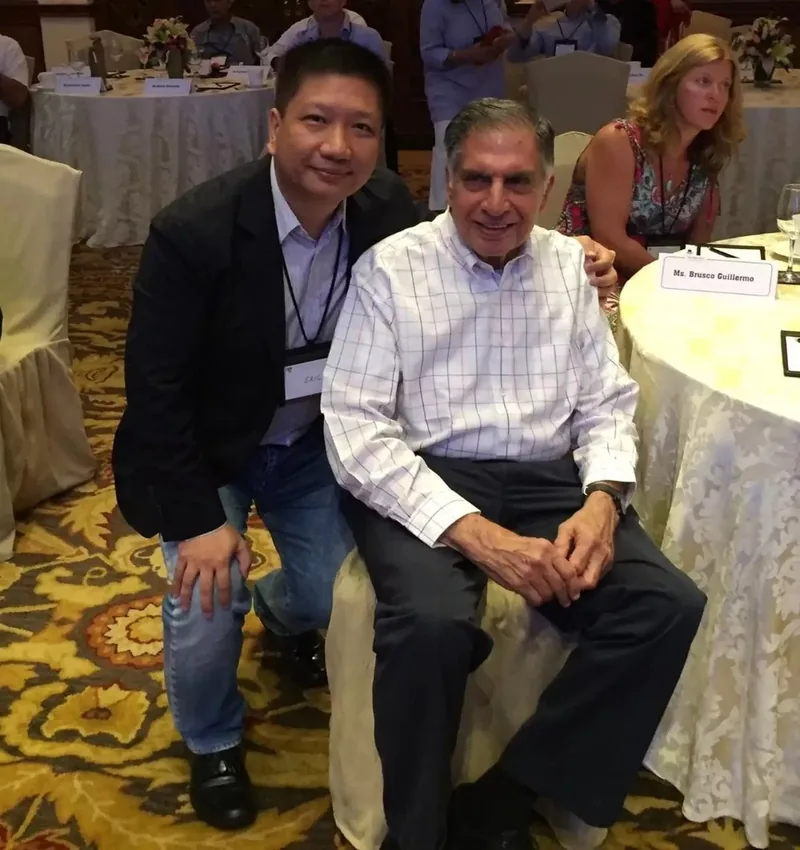
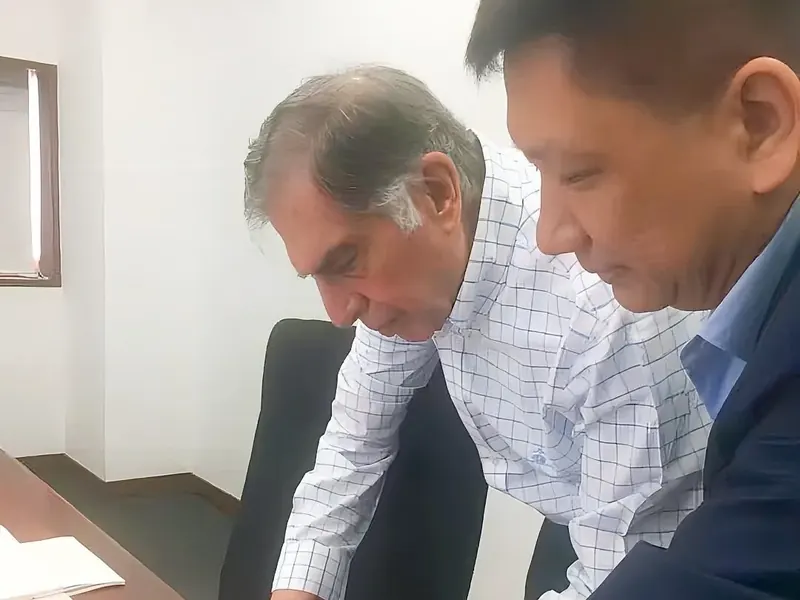
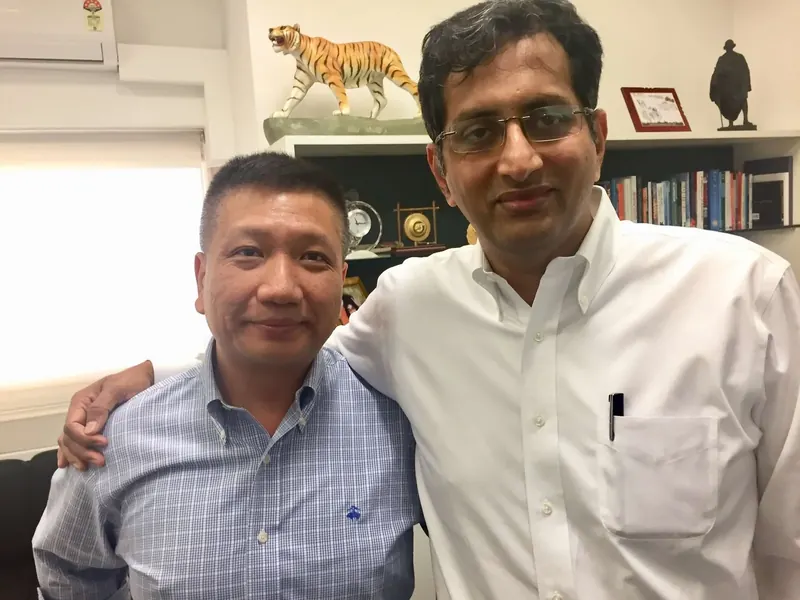
From bringing Philips and GE lighting to China to founder of two Hong Kong investment platforms — a career spent opening the Chinese market for global brands and building Chinese enterprises for global scale.
Board and advisory mandates spanning European academia and UK-registered international development, anchored by an MBA from London Business School and executive education at Harvard.
Member of the International Industry Advisory Board (IAB), contributing an Asia-Pacific perspective on curriculum, partnerships and regional positioning. MSM is one of the Netherlands' oldest international business schools — founded in 1952 and now part of Maastricht University's School of Business and Economics, with Triple Crown accreditation (AACSB, EQUIS, AMBA). In November 2026, Maastricht University's MBA was ranked #1 worldwide in Corporate Knights' 2026 Better World MBA Ranking, topping a field of 179 MBA programmes. Its MBA is ranked #2 in the Netherlands by Eduniversal, and its DBA programme is ranked #2 globally by DBAStudies.
Membership documentation available upon official request.
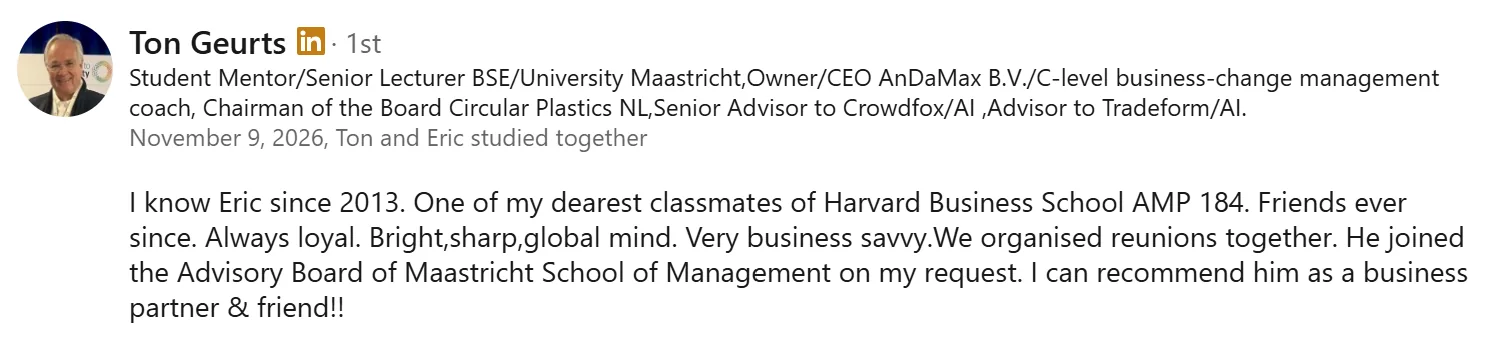
LinkedIn recommendation — Ton Geurts, Senior Lecturer, Maastricht University
Member of the Board. Board advice and board governance for a council that has mobilised sustainable investments across 16 projects in North-West Africa, with a collaboration agreement signed with UNSDG.
Completed the Advanced Management Program, Harvard Business School's flagship senior-executive programme. Served as a Recruiting Partner for HBS Executive Education's Senior Executive Leadership Program (SELP) in China from 2018 to 2020.
Completed the MBA at London Business School, then returned to Hong Kong to join Philips Lighting.
Degree verification available from the awarding institution upon official request.
Major in Government and Public Administration; minor in Business Administration. Chairman of the Government and Public Administration Society, 1988–1989.
Degree verification available from the awarding institution upon official request.
Graduated in 1986. 1985 HKCEE results: 3A 3B 1C; qualified for the Chinese University of Hong Kong's Provisional Acceptance Scheme in 1985. Chairman of the Student Council, 1985; Vice Chairman of the Student Council, 1983.
“One of my dearest classmates of Harvard Business School AMP 184 … Bright, sharp, global mind. Very business savvy. … He joined the Advisory Board of Maastricht School of Management on my request. I can recommend him as a business partner & friend!!”
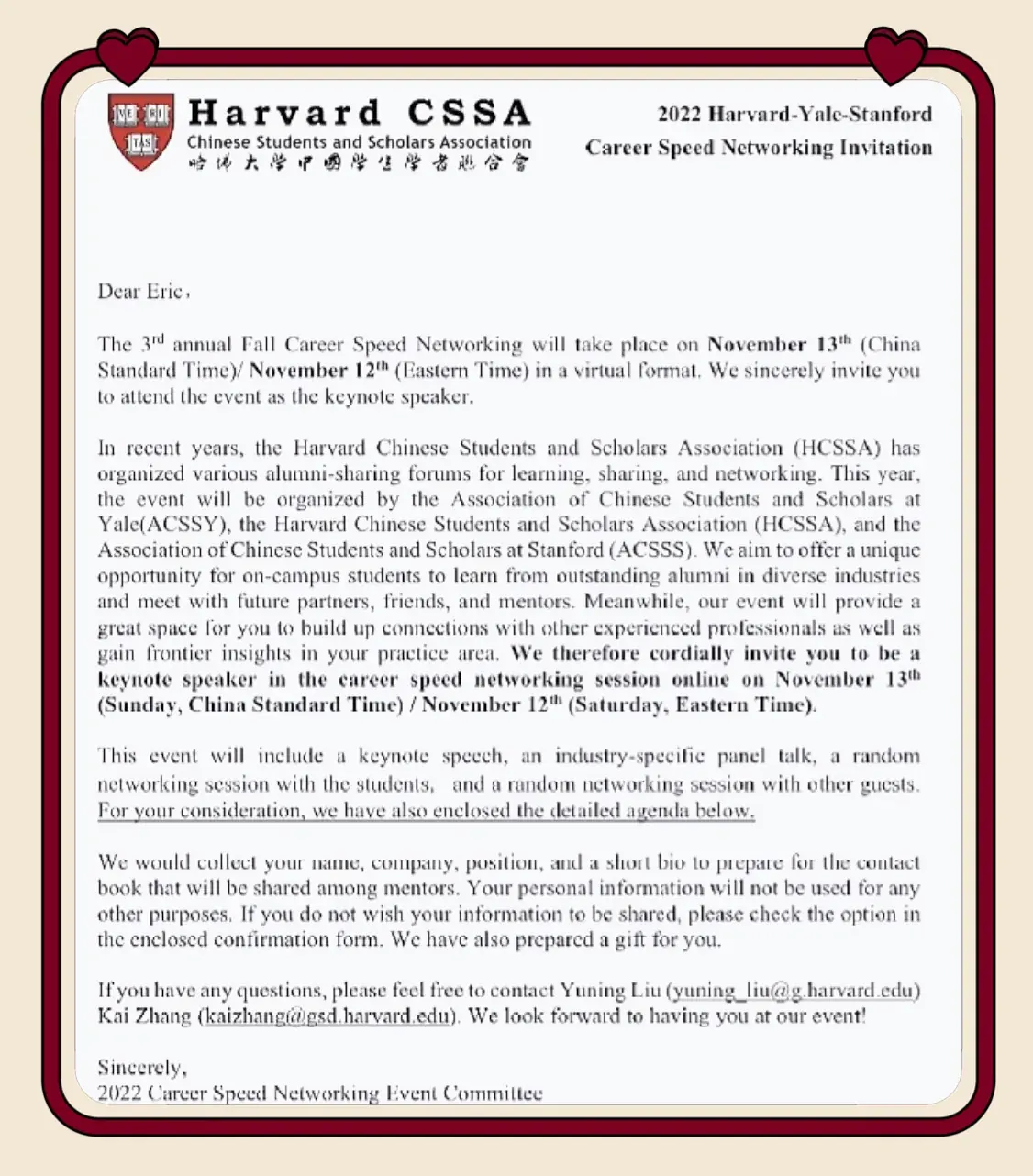
For more than a decade, Eric Cheung has been invited to keynote at business, investment and education forums across Greater China, the Asia-Pacific and leading global institutions.
His talks bridge operating experience and investment judgment — covering cross-border market entry, venture building, family-office strategy and the lessons of scaling enterprises in China and India.
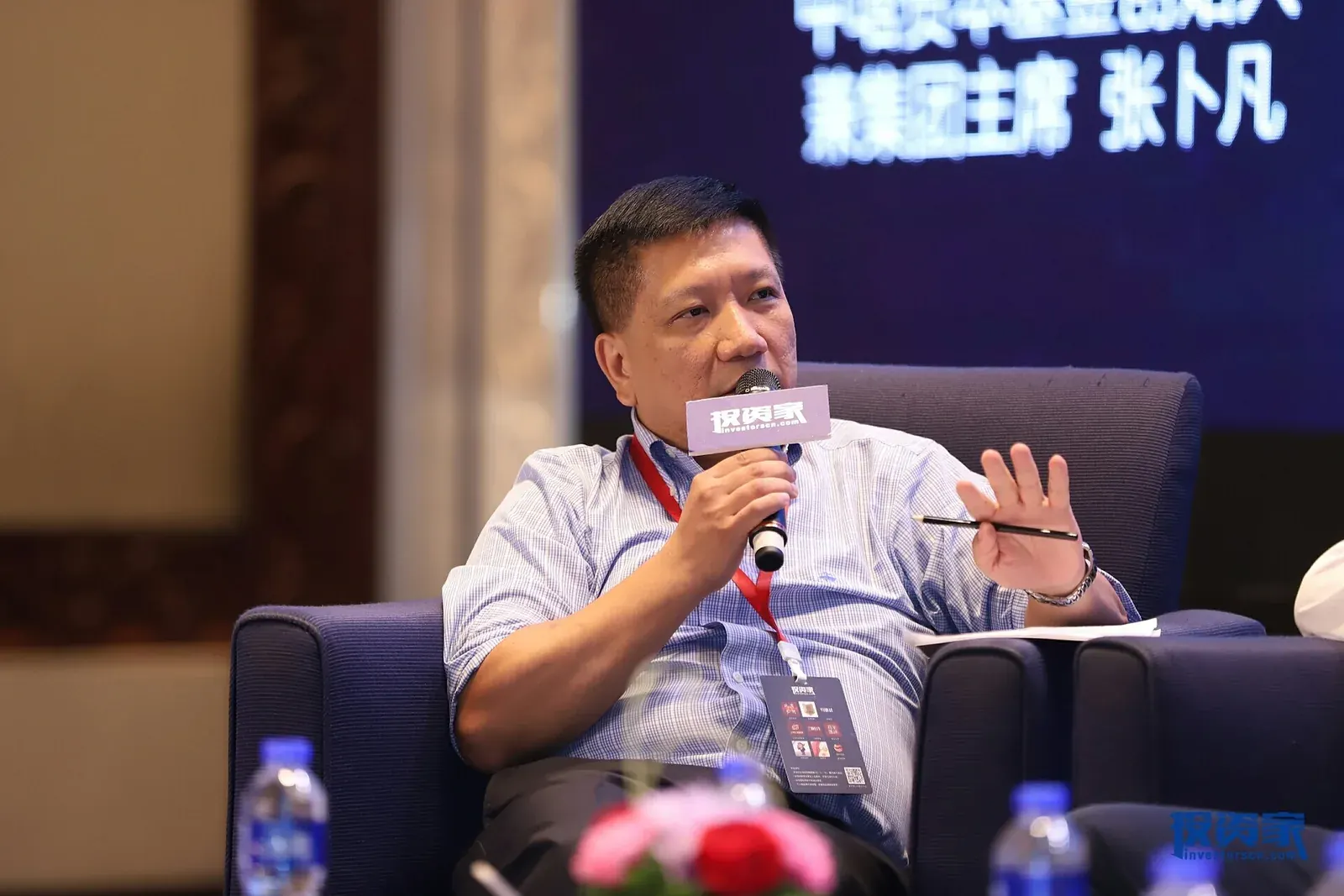
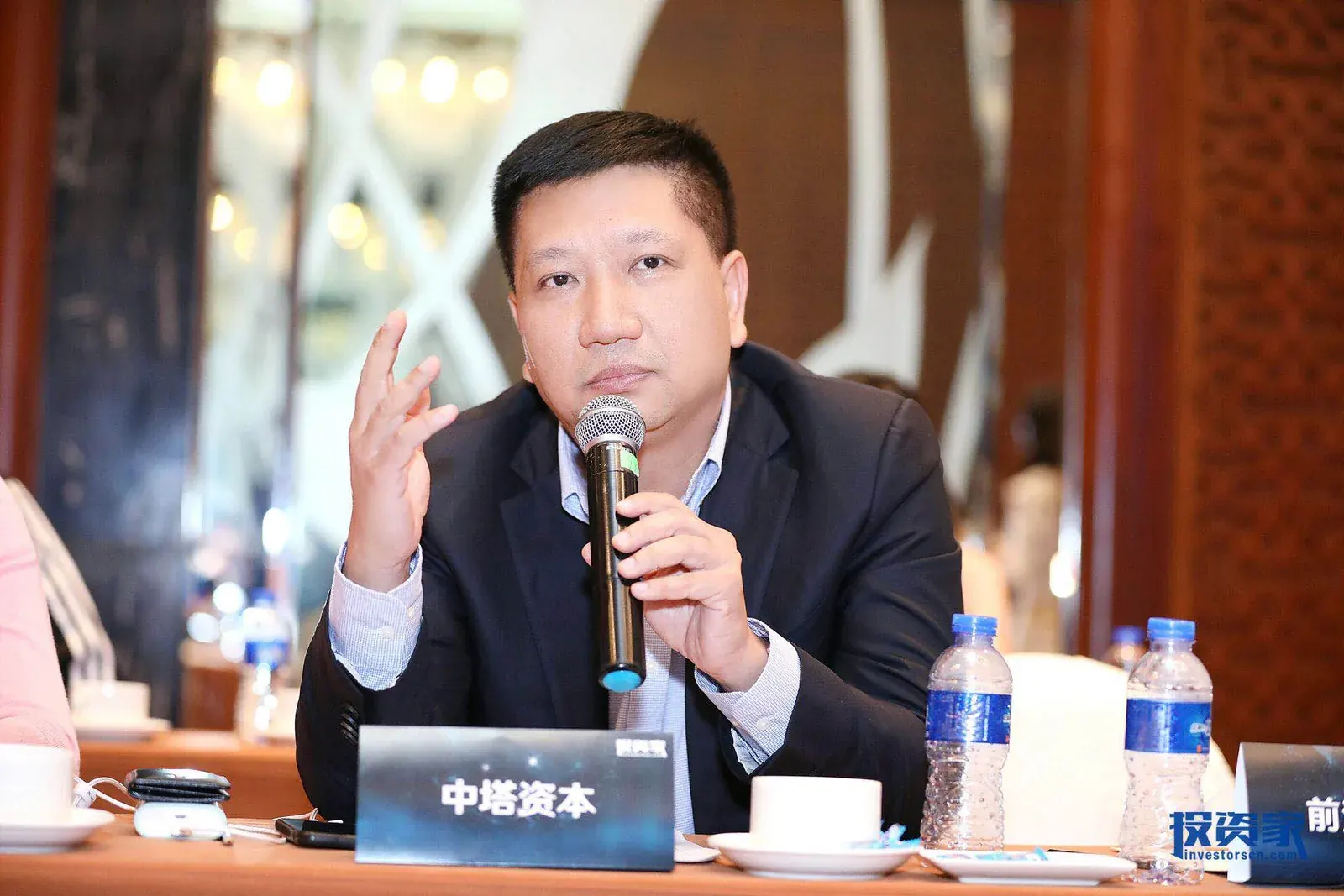
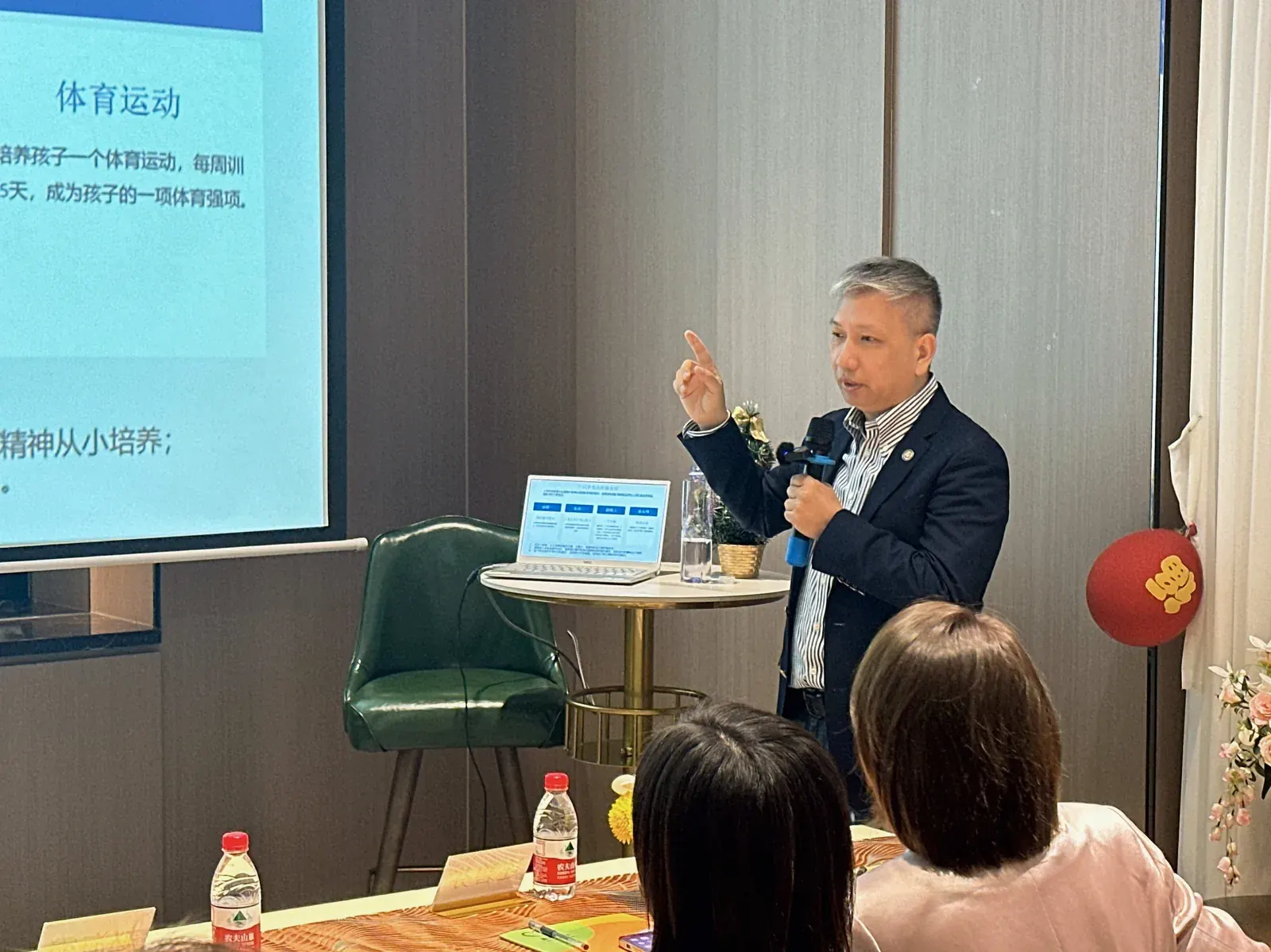
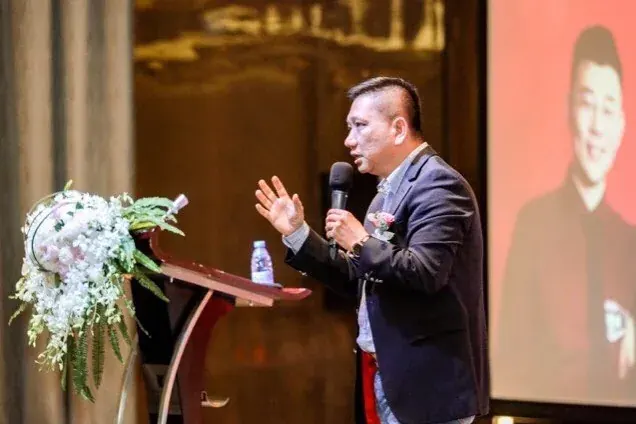
A career built inside both Western multinationals and leading Chinese enterprises produces something that cannot be recruited for: direct, long-standing access to the founders, chairmen and institutional decision-makers who shape China's private sector.
Those relationships span technology and internet, healthcare and pharmaceuticals, consumer and FMCG, marketing and media, and family-office capital — and they extend outward into India, Southeast Asia, Europe and Africa through active board and advisory mandates.
For multinational boards and executive search partners, this is the practical value: the ability to convene the right people, in the right market, quickly — and to make a partnership work after the memorandum is signed.
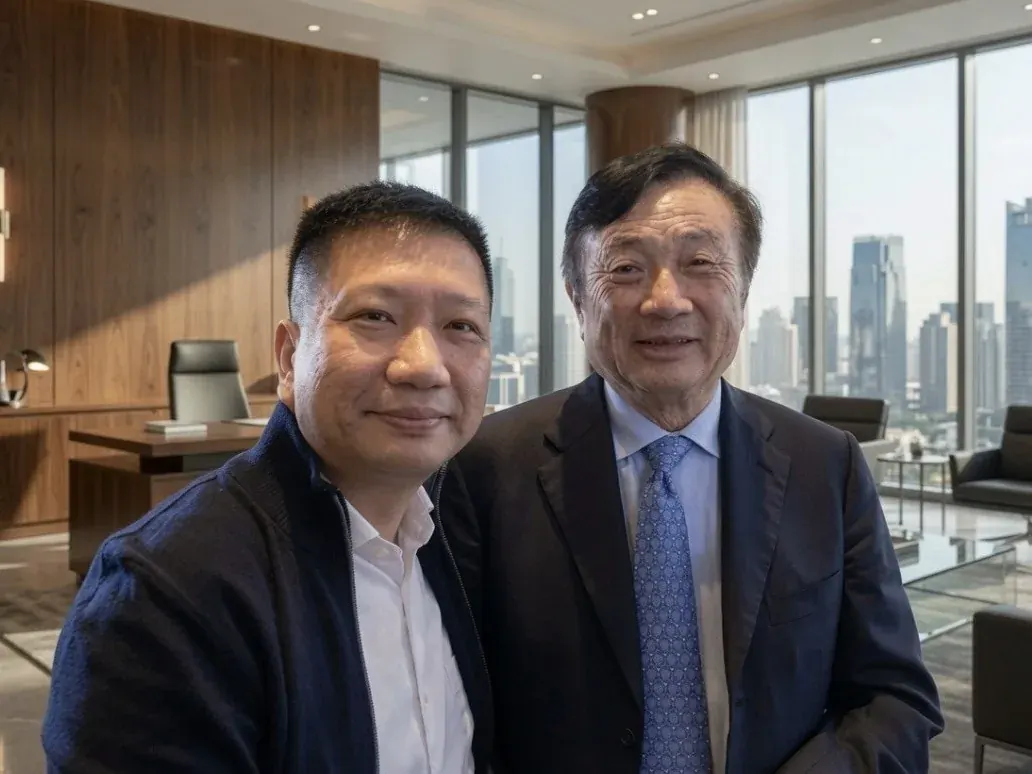
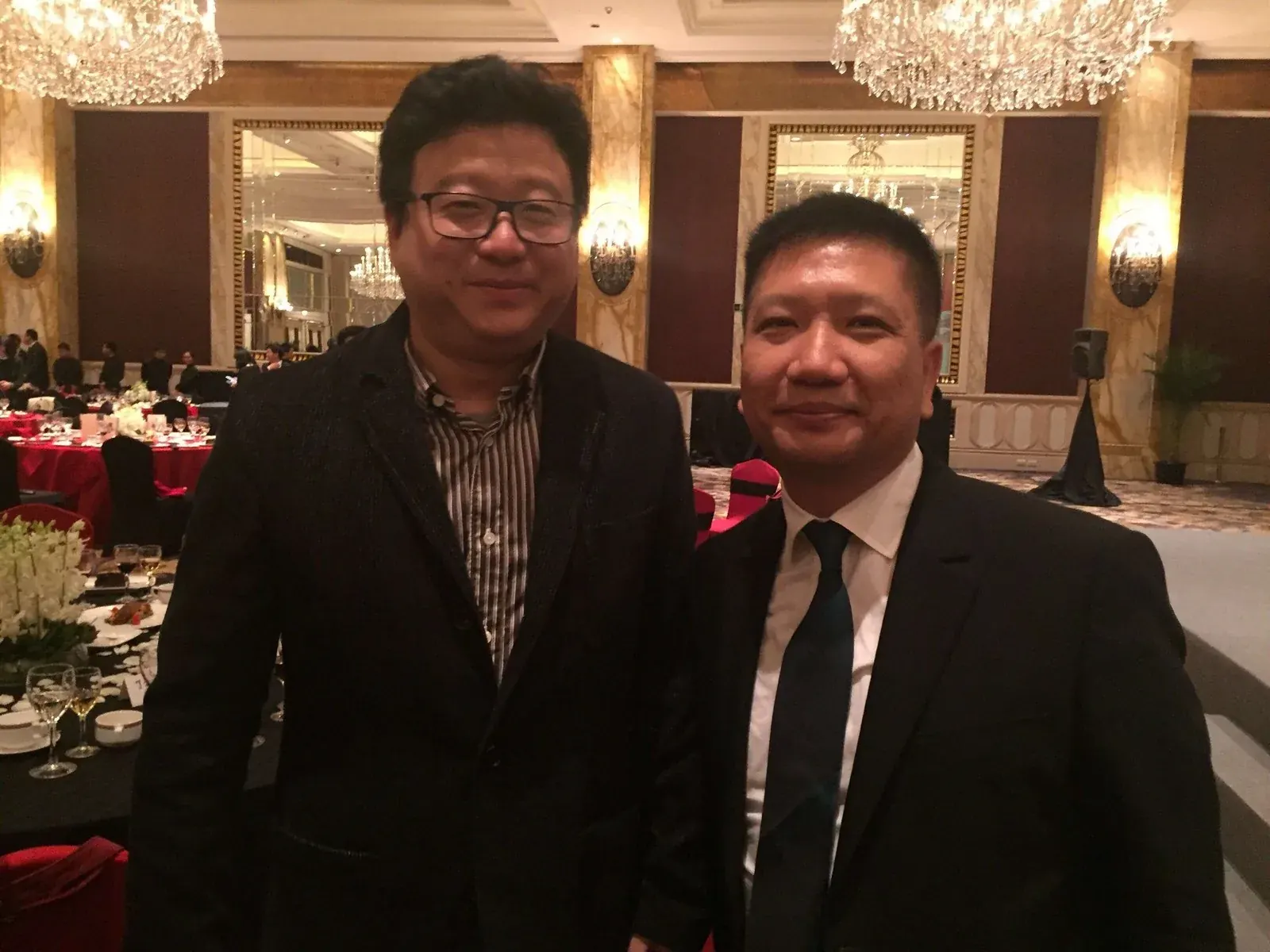
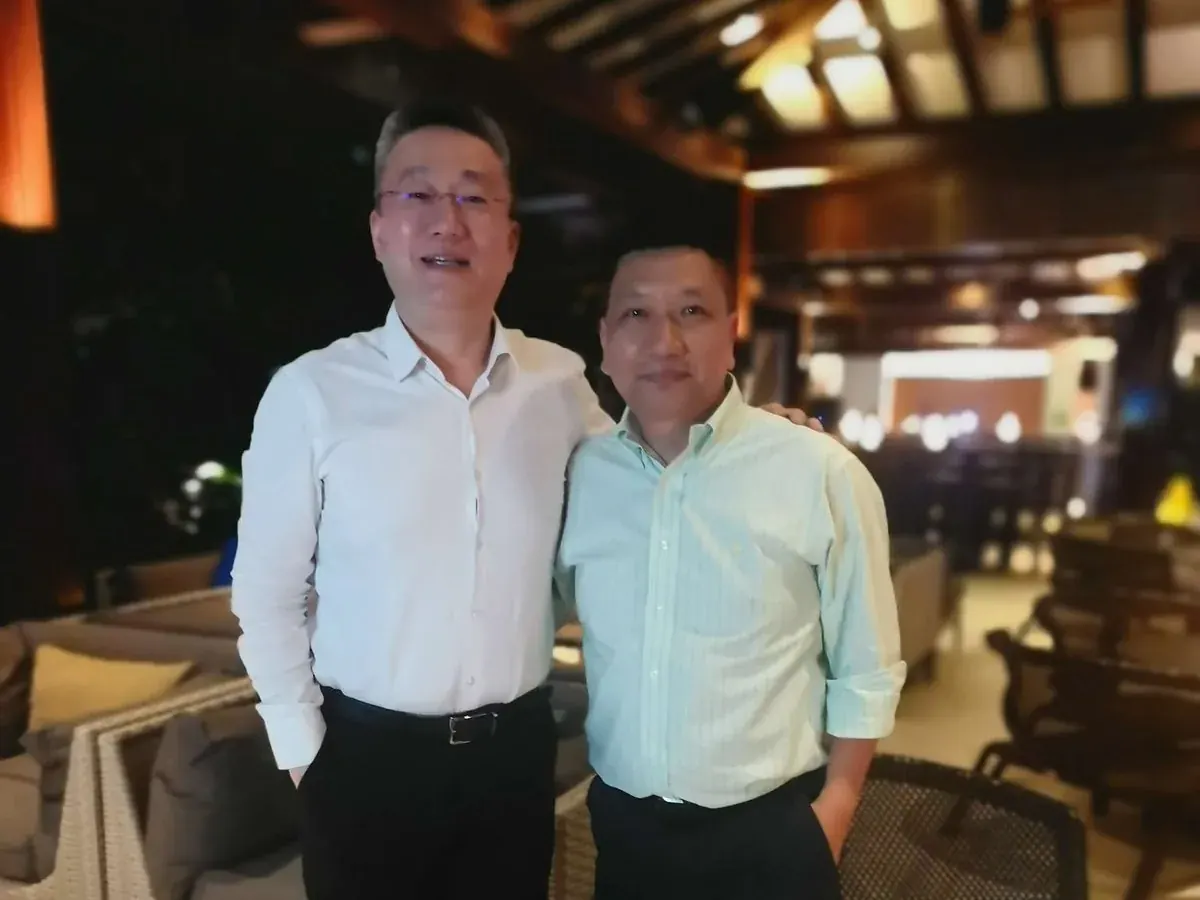
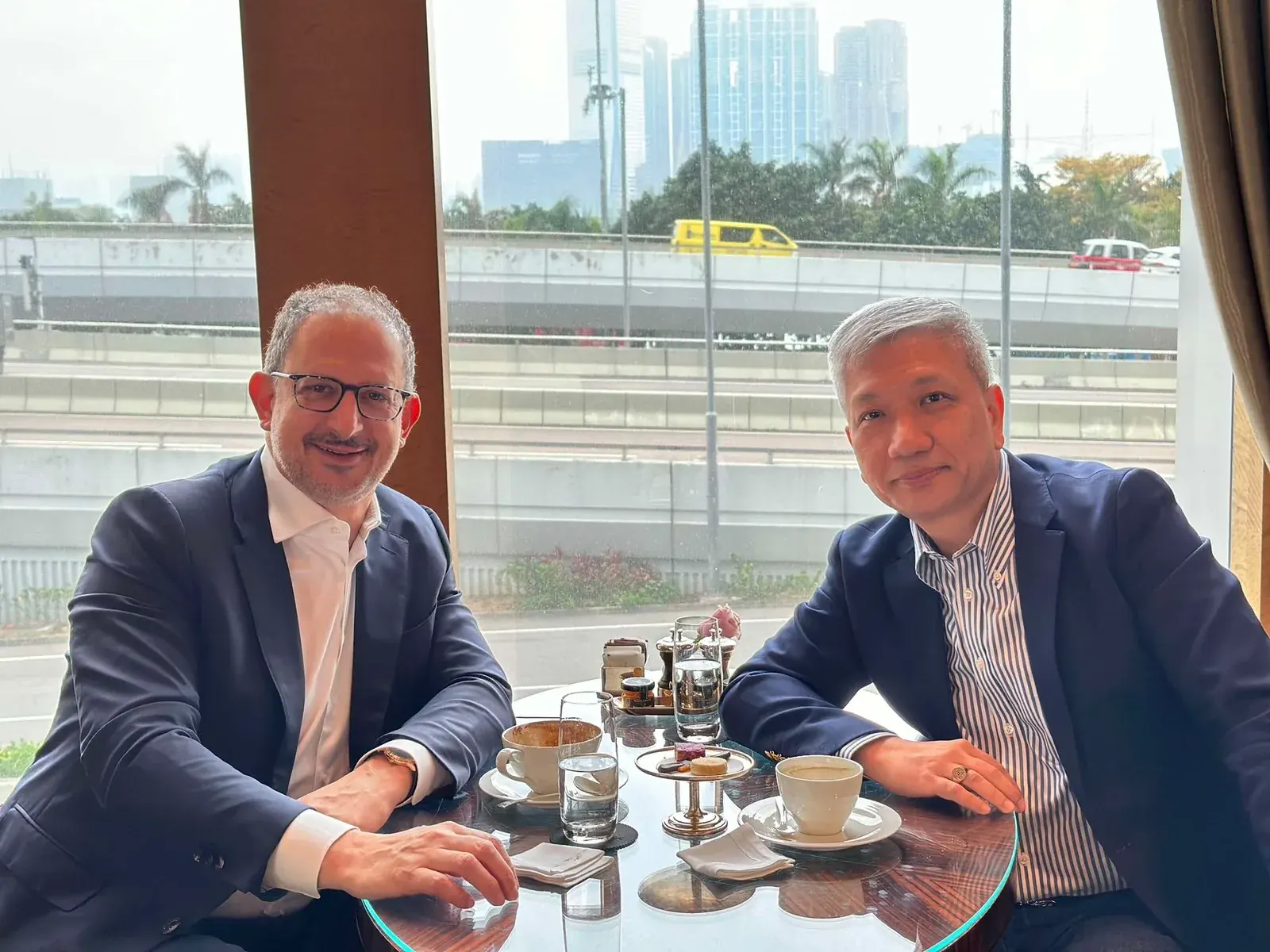
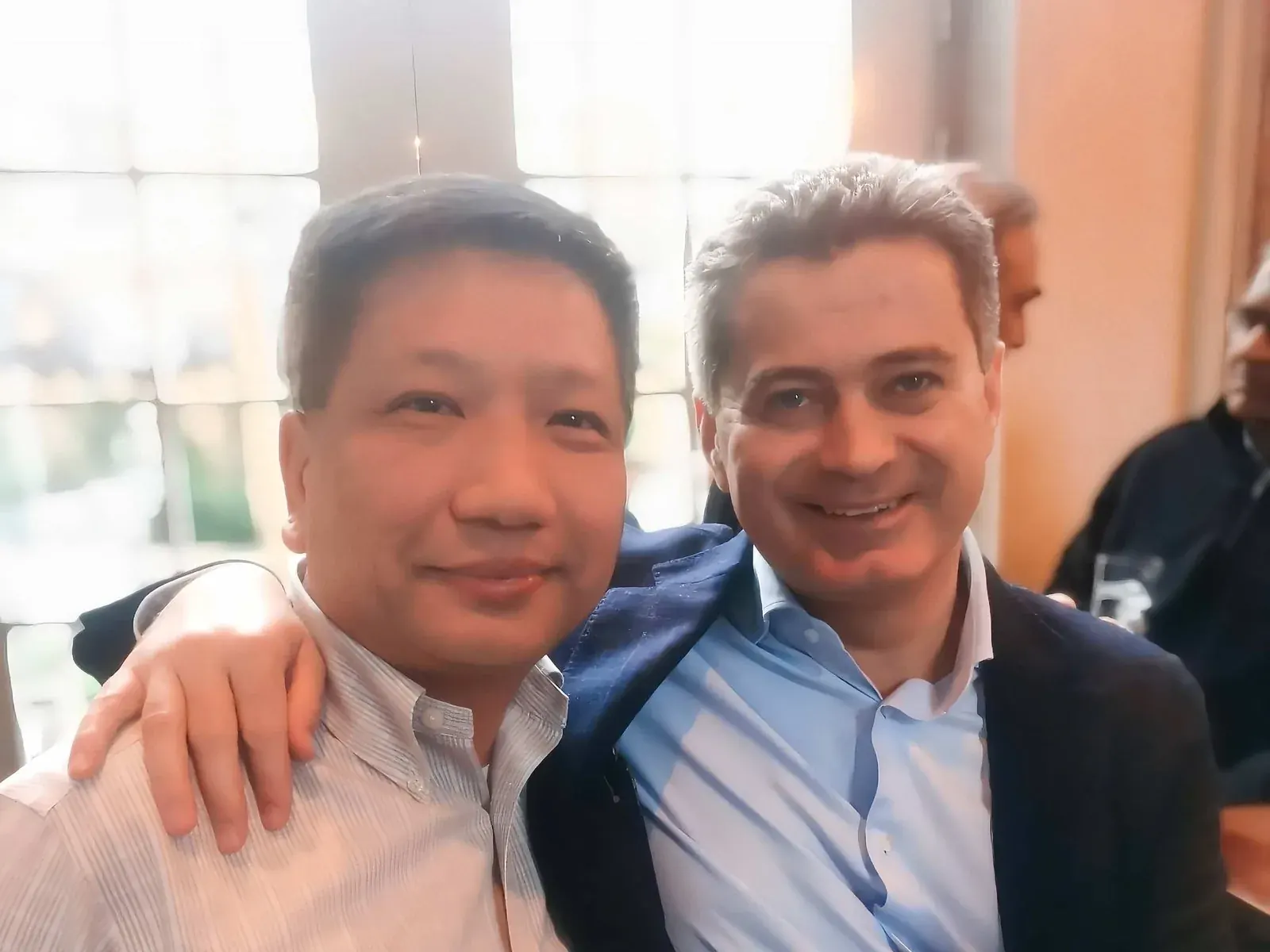
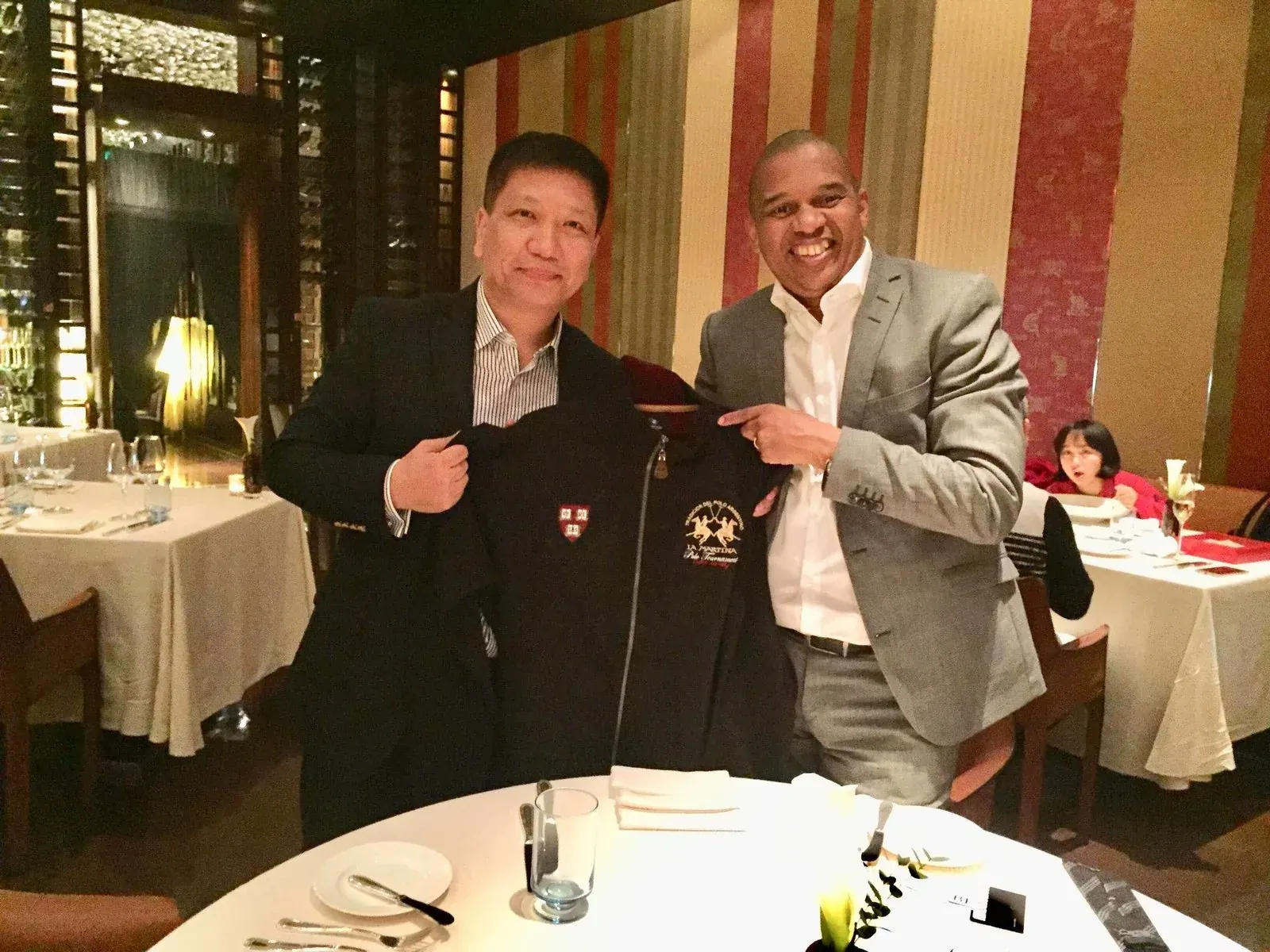
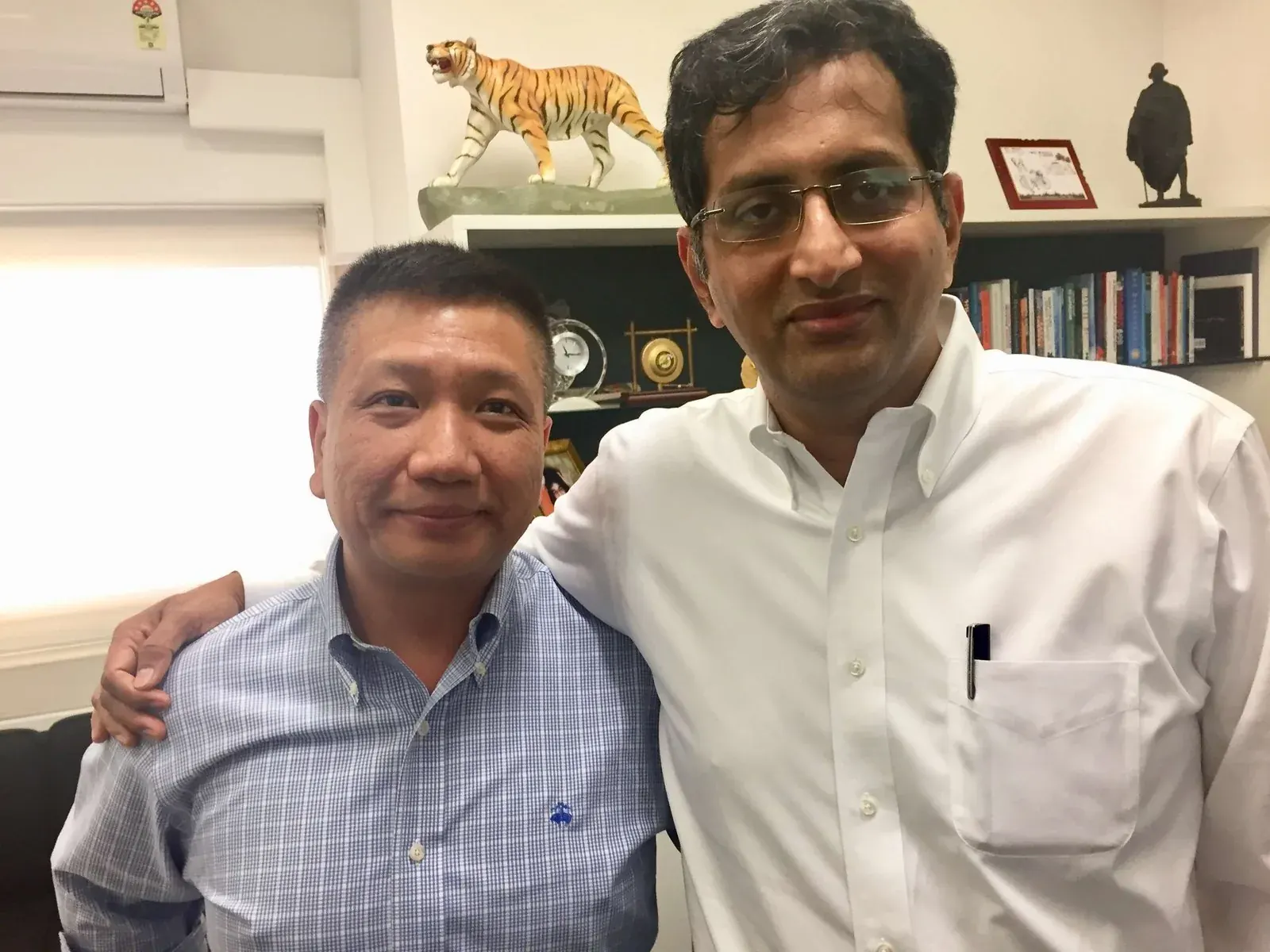
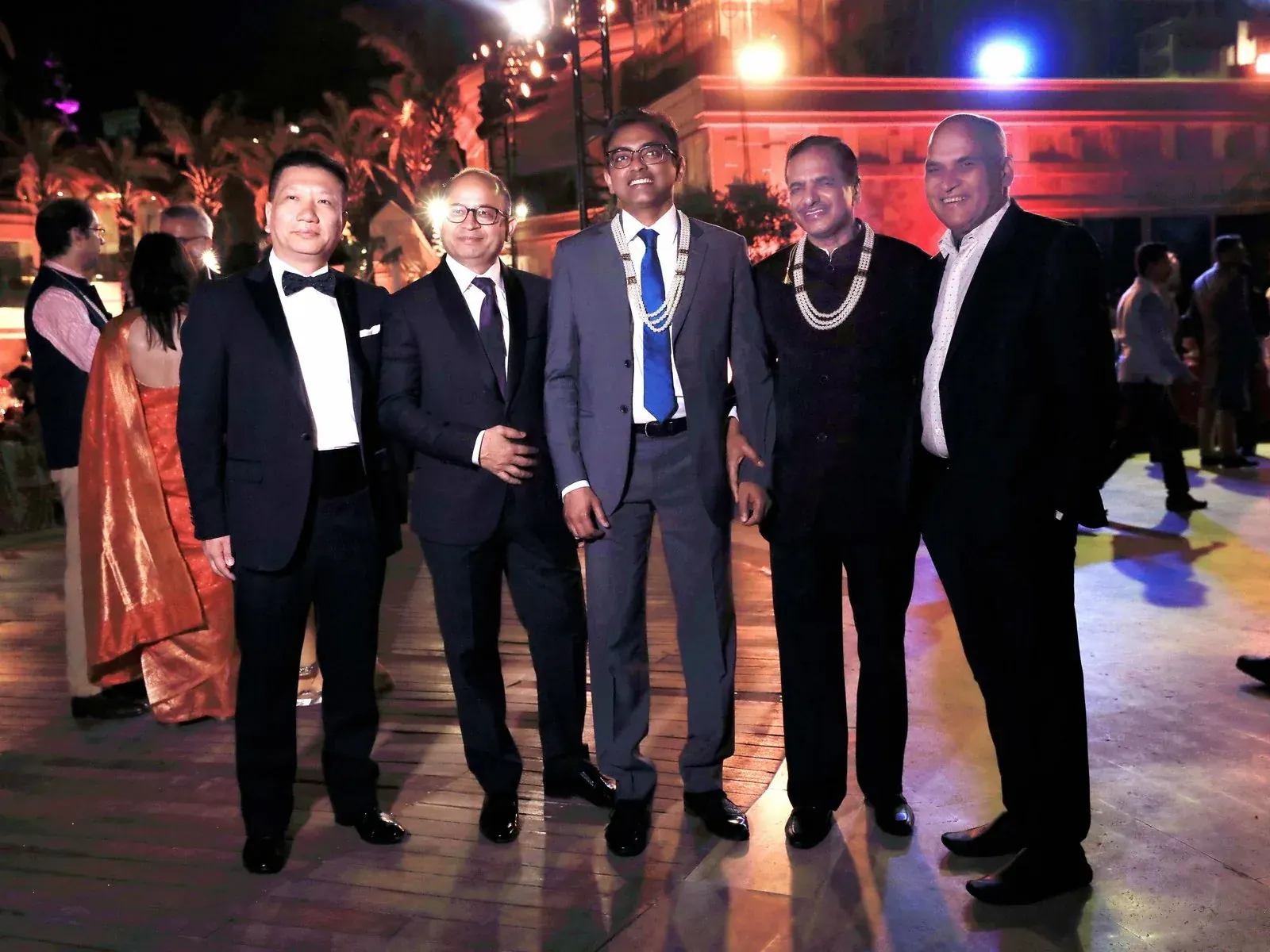
From boardrooms in Mumbai to the launch of Leaders Capital in Hong Kong — a few snapshots of the people, places and milestones behind the work.
Three decades of trust across three cultures — partnerships delivered under pressure.
Leaders Capital Limited is a Hong Kong‑based Asian multi-family office founded in 2019. Five Asian families — from Greater China, Singapore and India, all Harvard Business School alumni — invest together across private and public markets, with a focus on Asia‑Pacific.
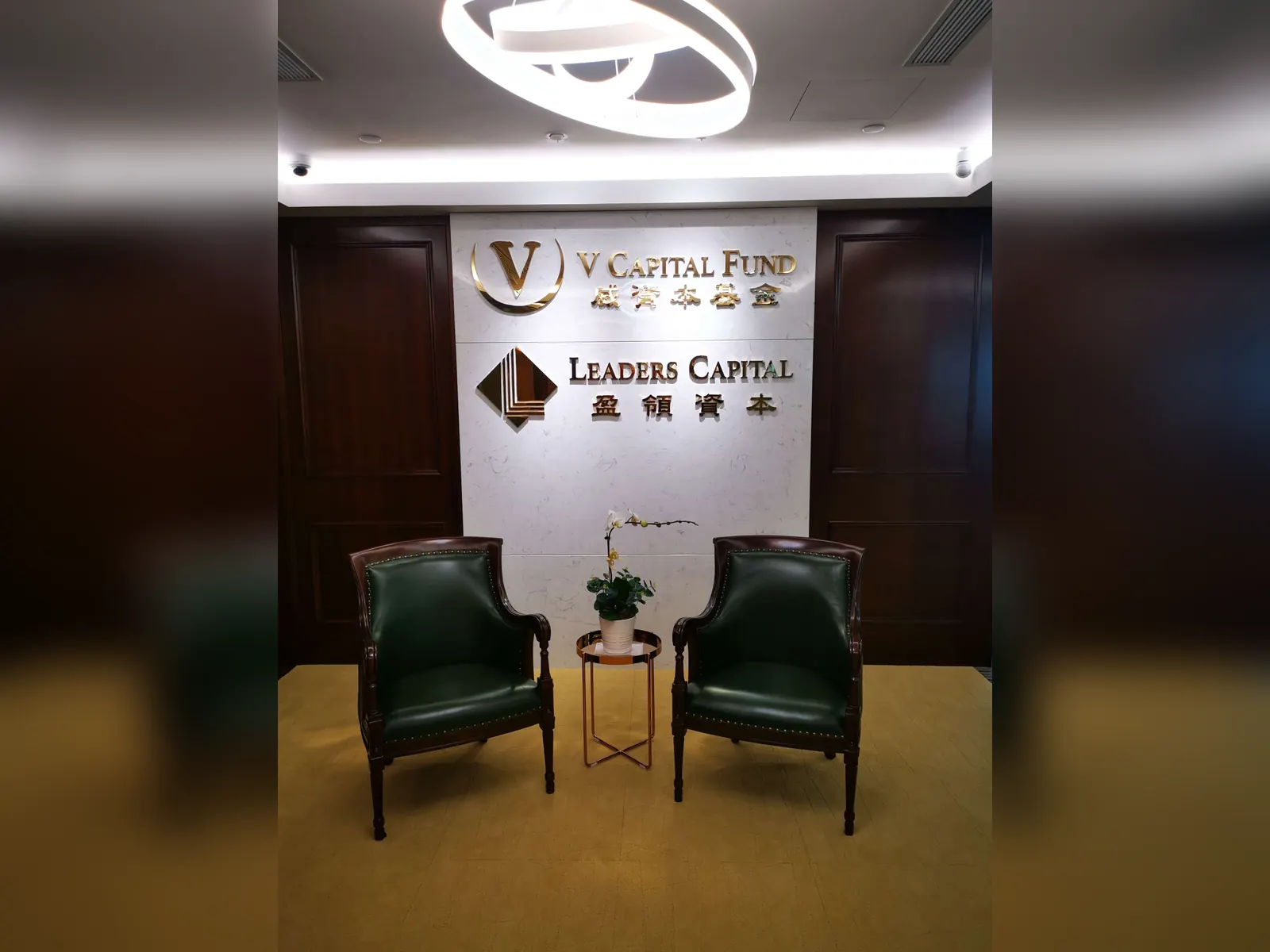
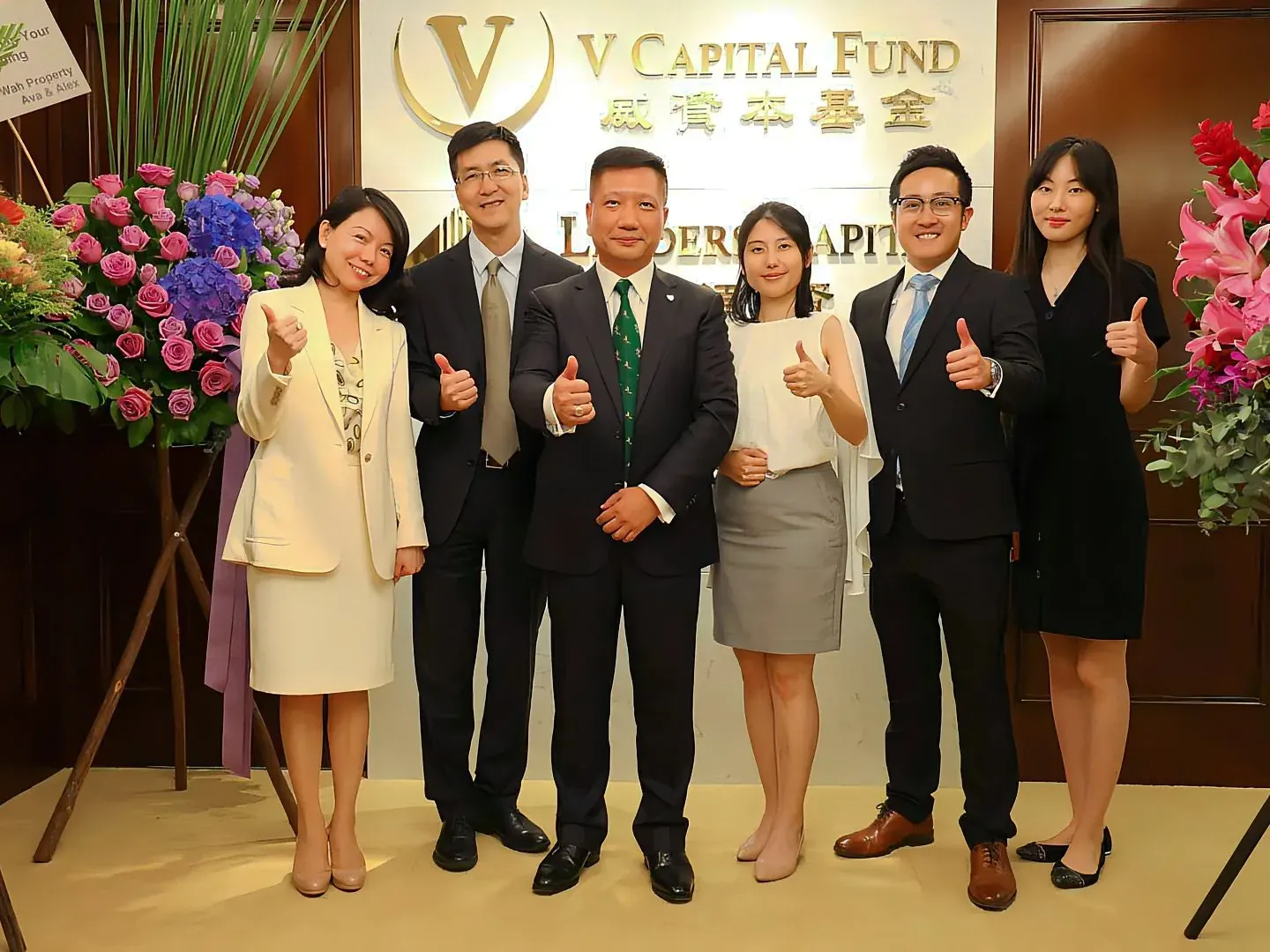
Two institutions, one team — Leaders Capital Limited and V Fund.
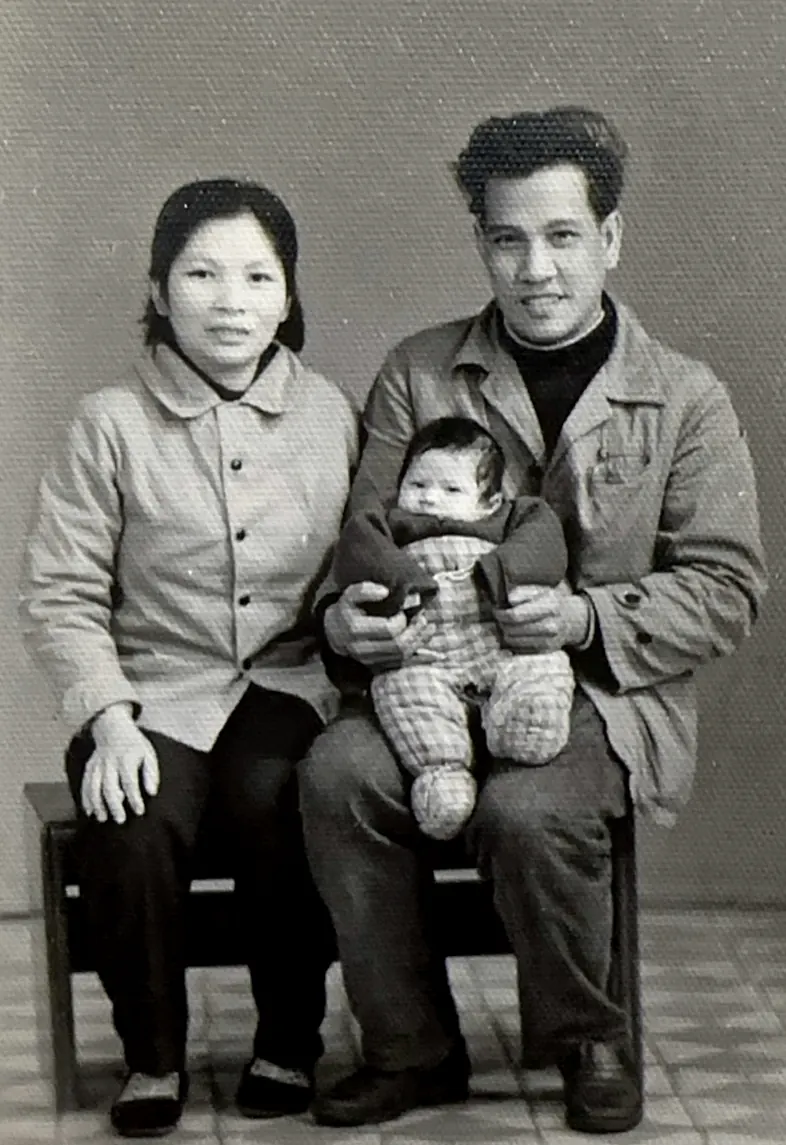
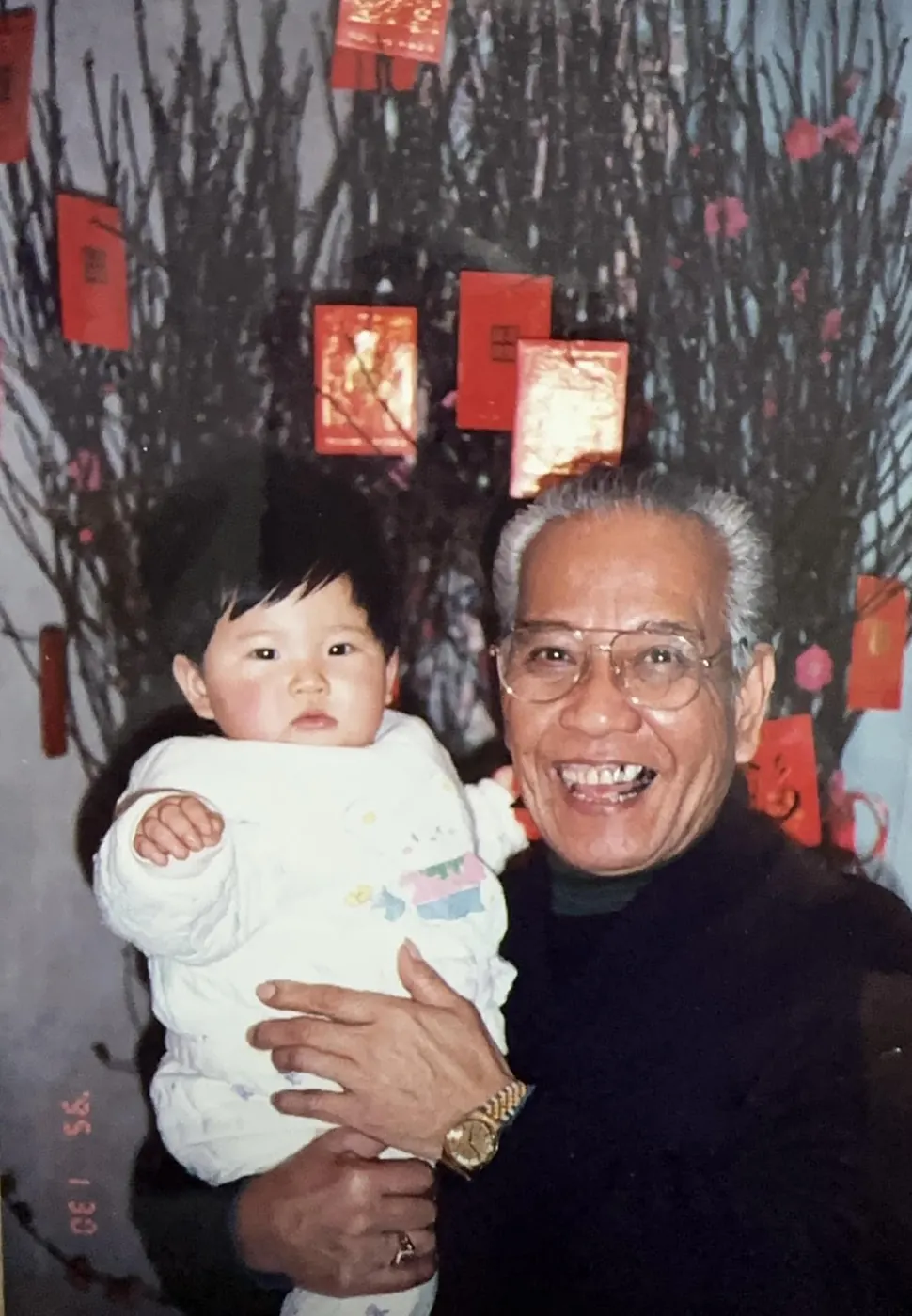
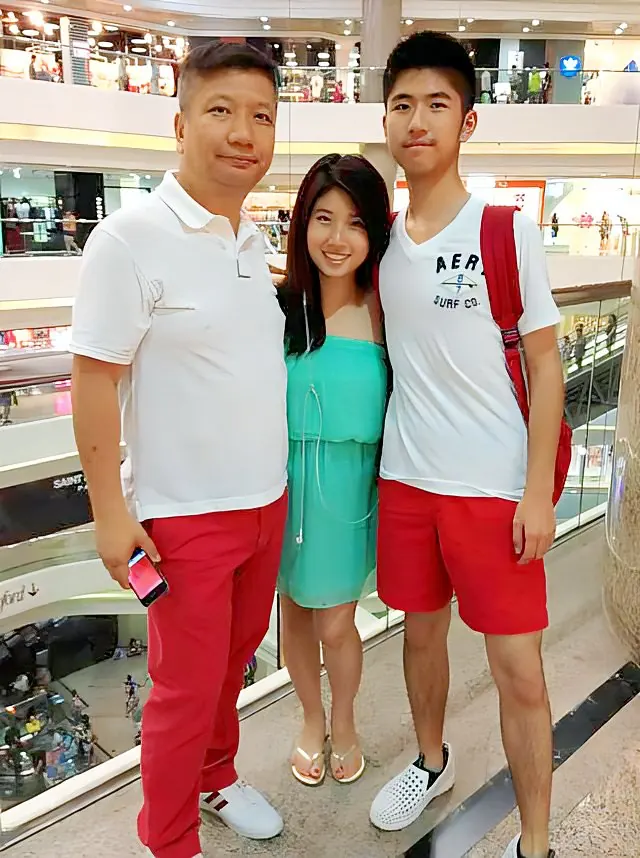
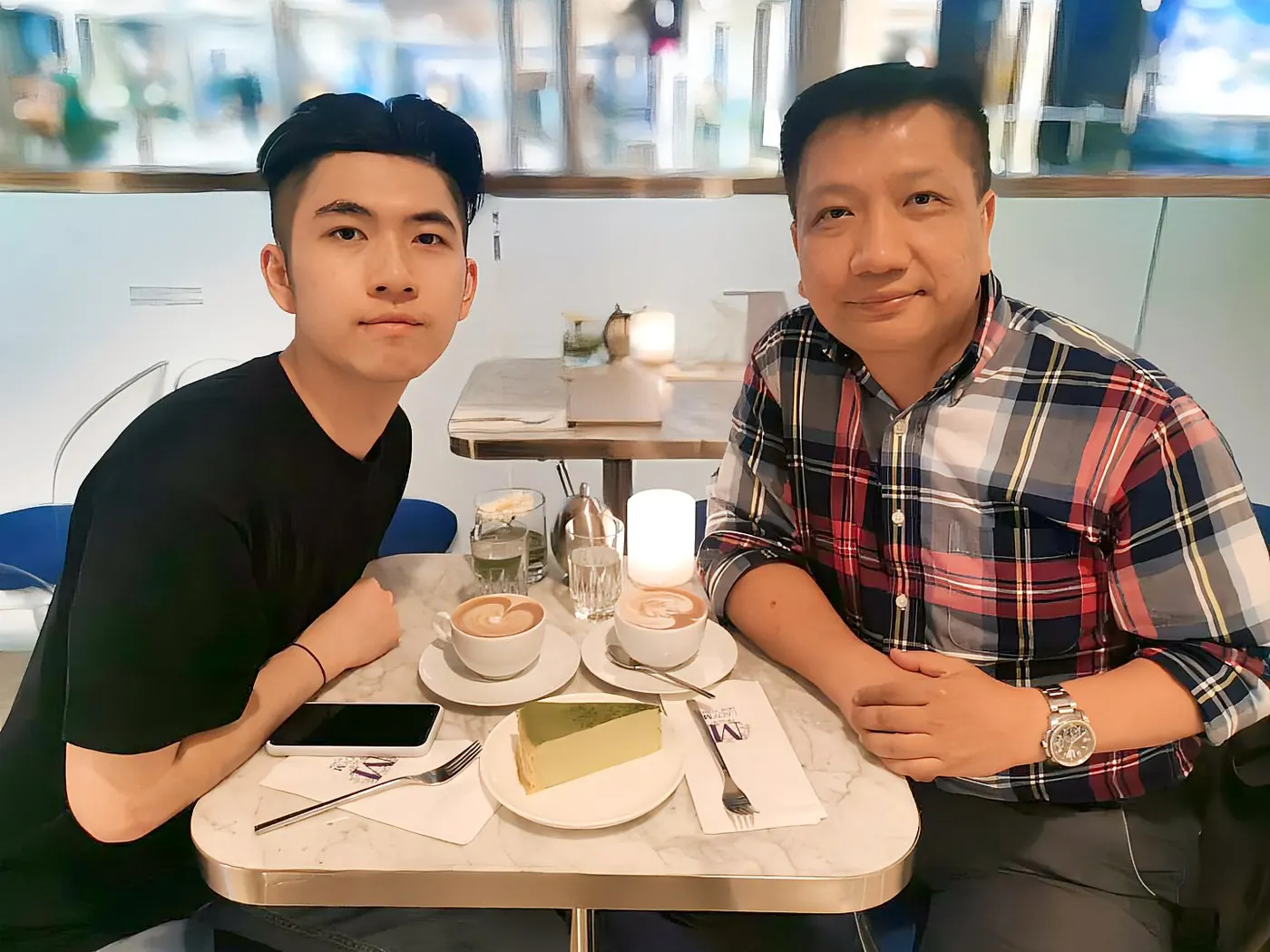
Open the sectionMeet Cheung’s FamilyA Chinese family that sailed south in the late Qing era. The great‑great‑grandfather left Xinhui, Guangdong, and put down roots in the South Seas. Over a century this line spread across Singapore, Kuala Lumpur, Guangzhou and Hong Kong — one granduncle returned to Hong Kong to found the Garden bakery, a grandfather lived out his days in the south, and a son went back to China to help build the country. This page records the branch of his son, Eric Pu‑fan Cheung.
In 1926 the granduncle Cheung Zifang founded the Garden Company (嘉顿) in Hong Kong. He started from a small biscuit workshop, took part in production himself, and made the name known within eight years.
In 1932 a fire at the workshop destroyed nearly everything — the insurance claim failed over a policy error and production stopped for months; he led the staff to rebuild. When the War of Resistance broke out in 1937, Garden ran seven days and nights without stopping to bake 90,000 kg (200,000 lb) of army biscuits for the front; the next year it produced long‑shelf‑life air‑raid and military biscuits for the Hong Kong government.
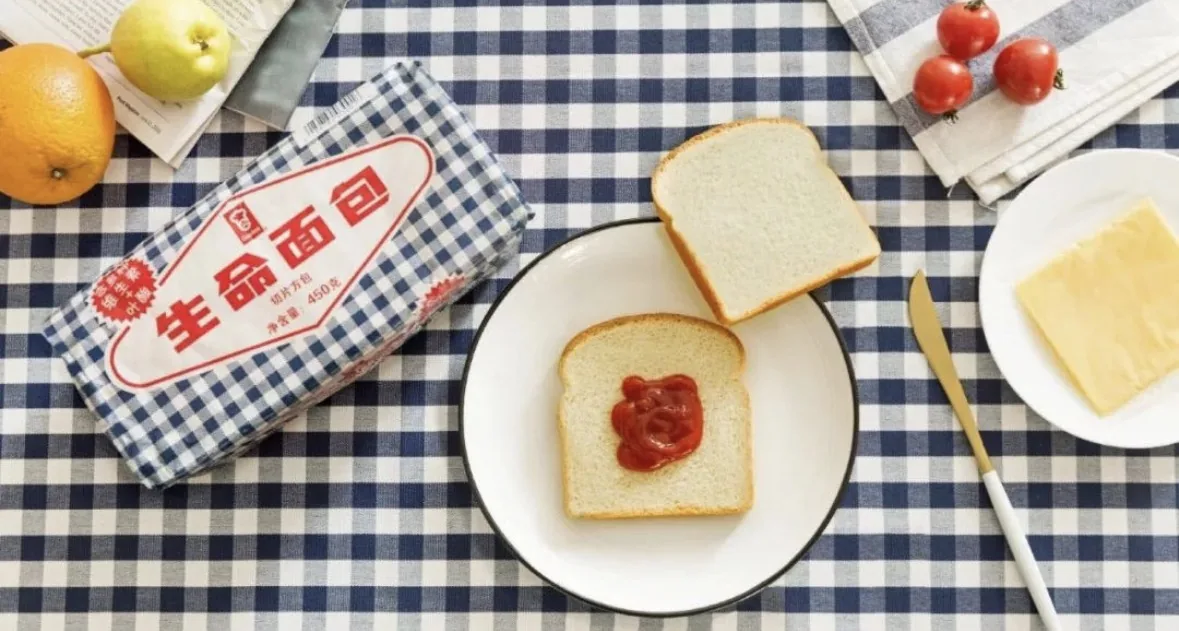
Garden later became the first food manufacturer in Hong Kong to introduce automated machinery. Life Bread, launched in 1960 with added vitamins and minerals and sold cheaply, was used by the Hong Kong government as disaster‑relief rations in the 1970s and has sold for sixty years.
Garden has also been the licensed bun supplier to McDonald’s in Hong Kong, Macau and mainland China for more than fifty years.
In 2026 Garden marks the centenary of its 1926 founding as a small bakery in Sham Shui Po. From that shop it has grown into one of the largest and best‑equipped food manufacturers in Greater China, as the company itself describes it: its bread lines run around the clock, supplying hamburger buns not only to McDonald’s but also to KFC across Hong Kong, Macau and mainland China; sandwiches and bakes for Starbucks, Pacific Coffee, Circle K and 7‑Eleven; bread and pastry for restaurant chains such as Outback Steakhouse, for hotels and for airline caterers, from Cathay Pacific to the Peninsula Hotel — while Garden’s own products fill the shelves of supermarkets such as Wellcome and PARKnSHOP and of convenience stores and grocery shops across Hong Kong. Life Bread, launched in 1960, has sold for more than sixty years — the finest testament to this hundred‑year journey. To this day Garden remains a family‑owned, unlisted private company — not unlike America’s Mars.
The Garden history above is based on public records, including the company’s official milestones, corporate profile and LinkedIn page, and its centenary coverage in 2026.
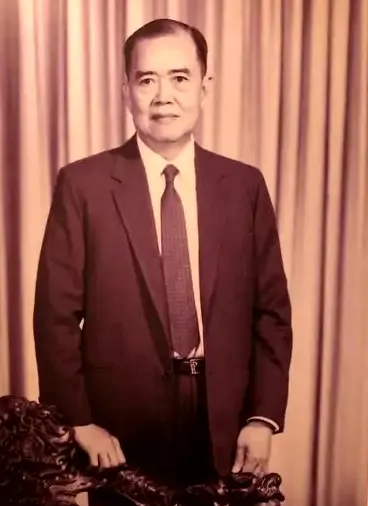
The family’s later generations have carried on this tradition of giving. From 1985 the granduncle Cheung Zifang gave repeatedly toward the founding of Wuyi University in Jiangmen, and was one of the principal donors of its Jiangmen Building, the university’s academic exchange centre. To honour him the university set aside the Zhang Chunhe Hall on the third floor of its main teaching building; Chunhe was the courtesy name of the great‑grandfather, Cheung Maochen.
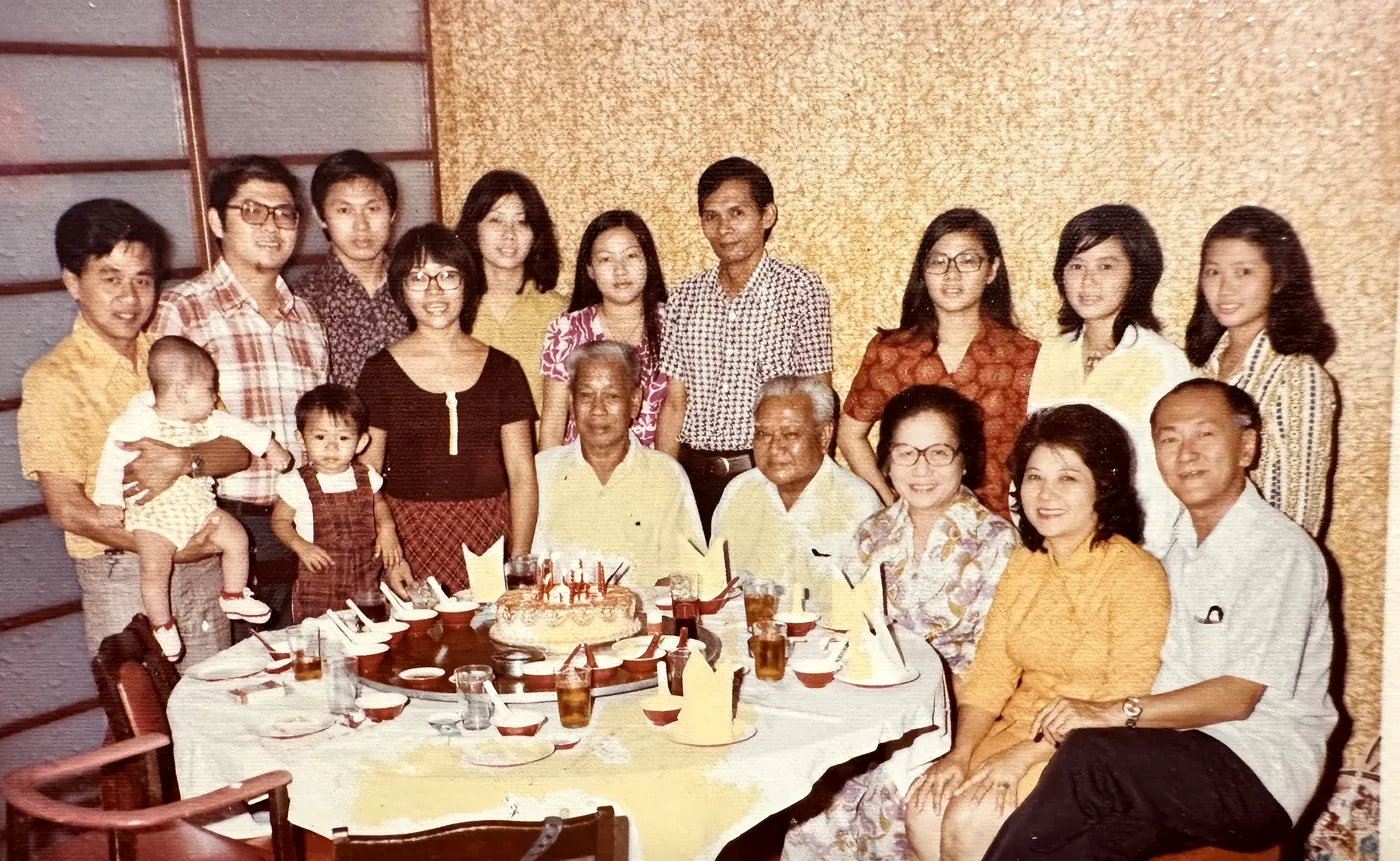
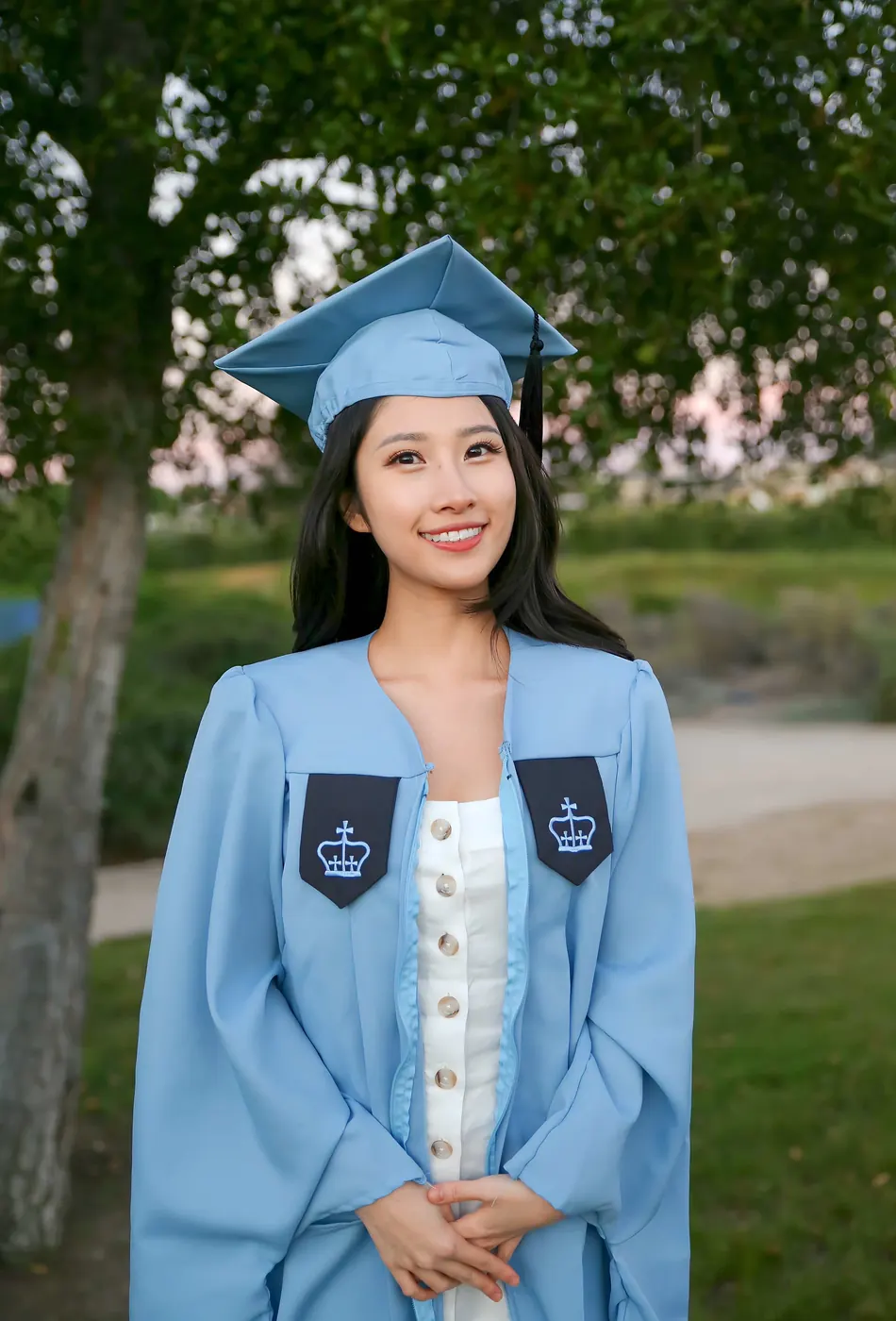
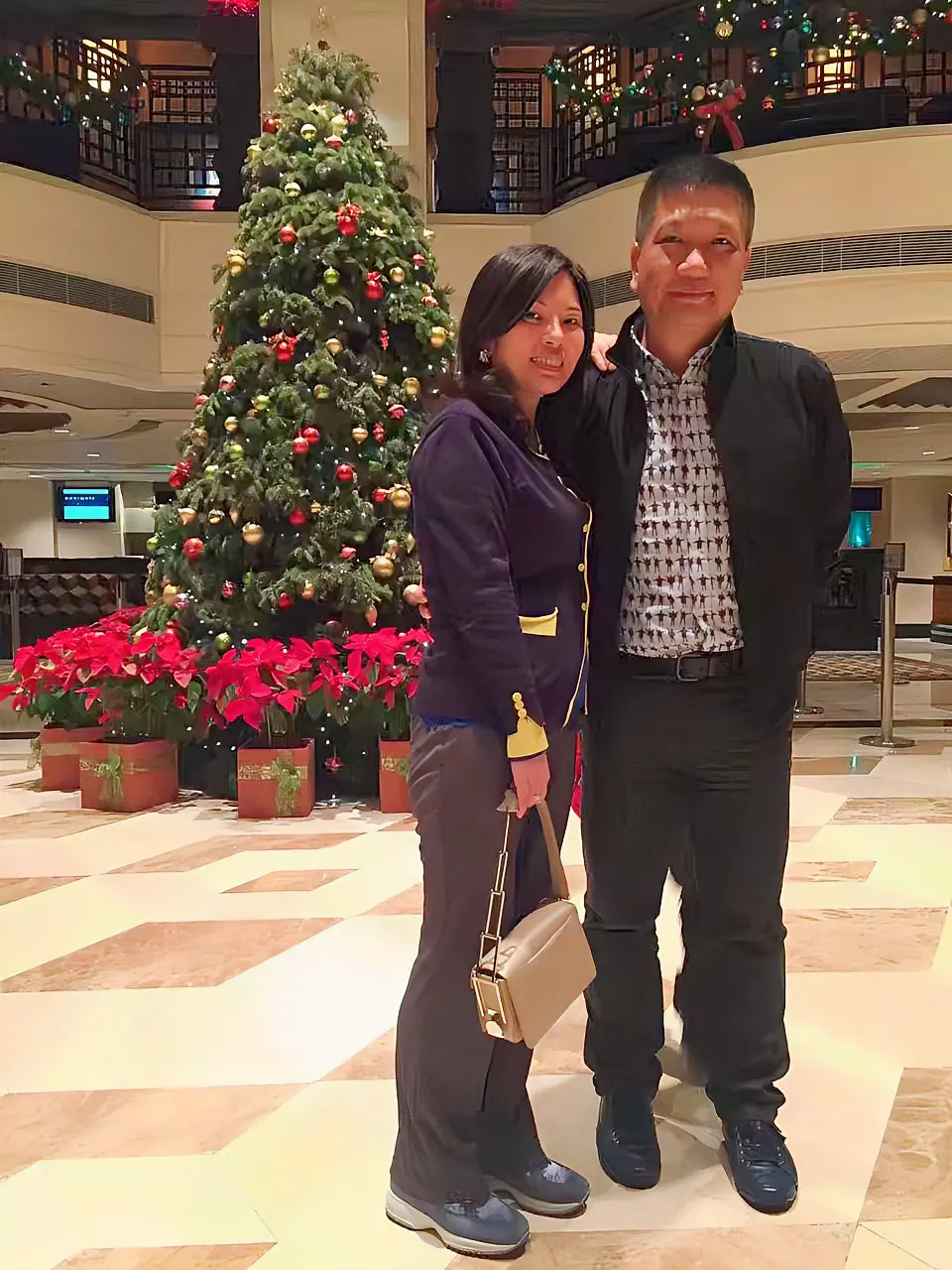
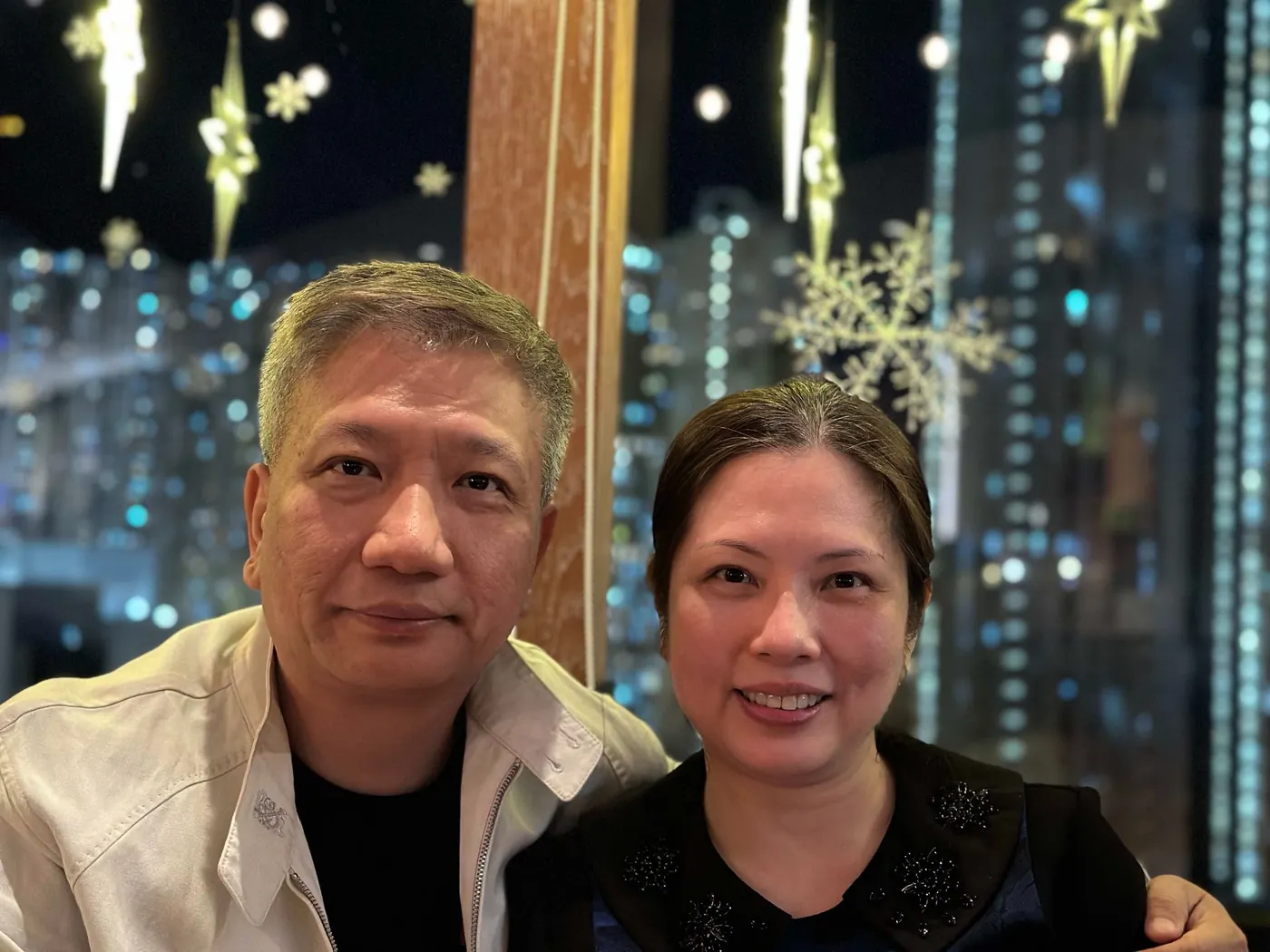
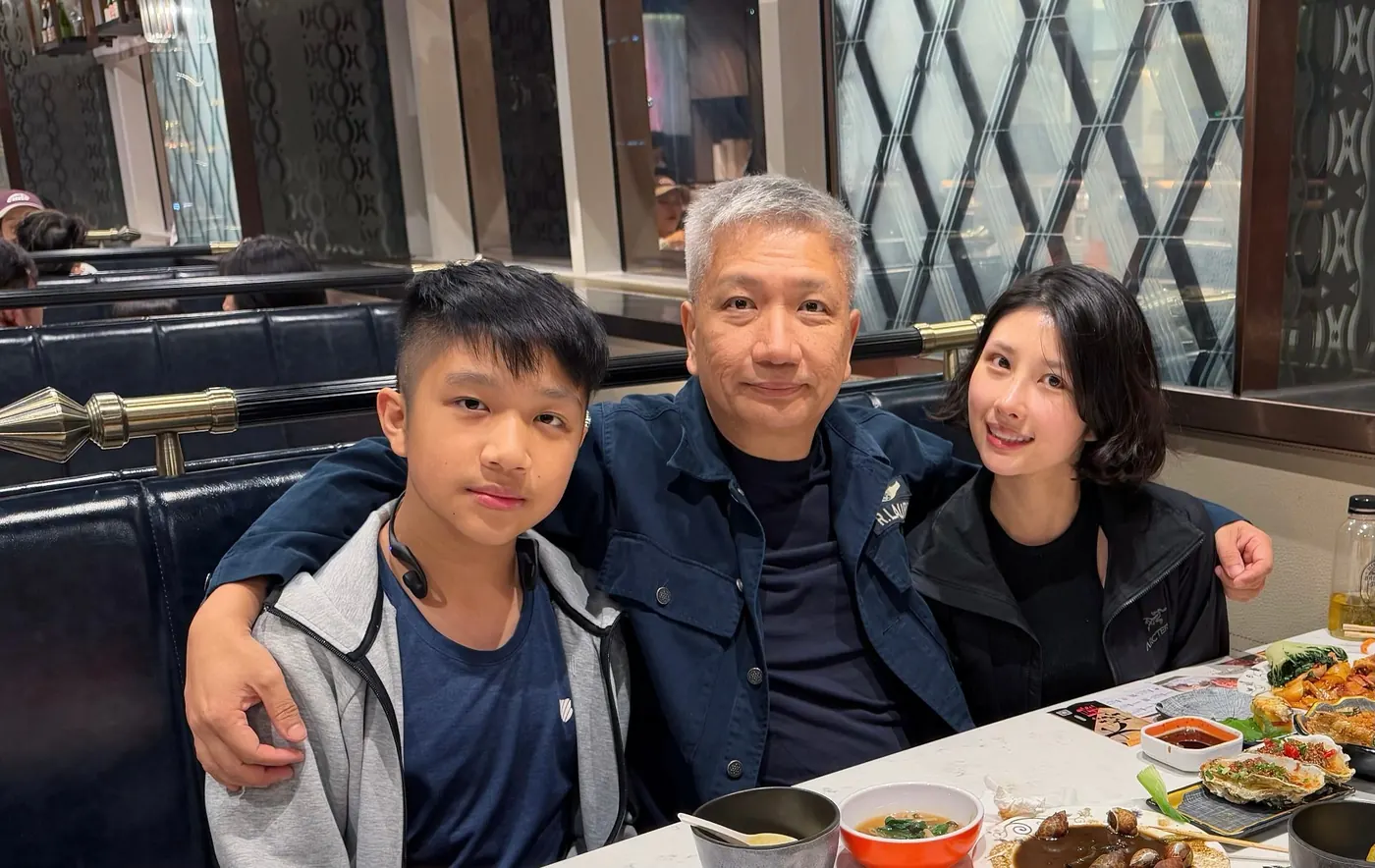
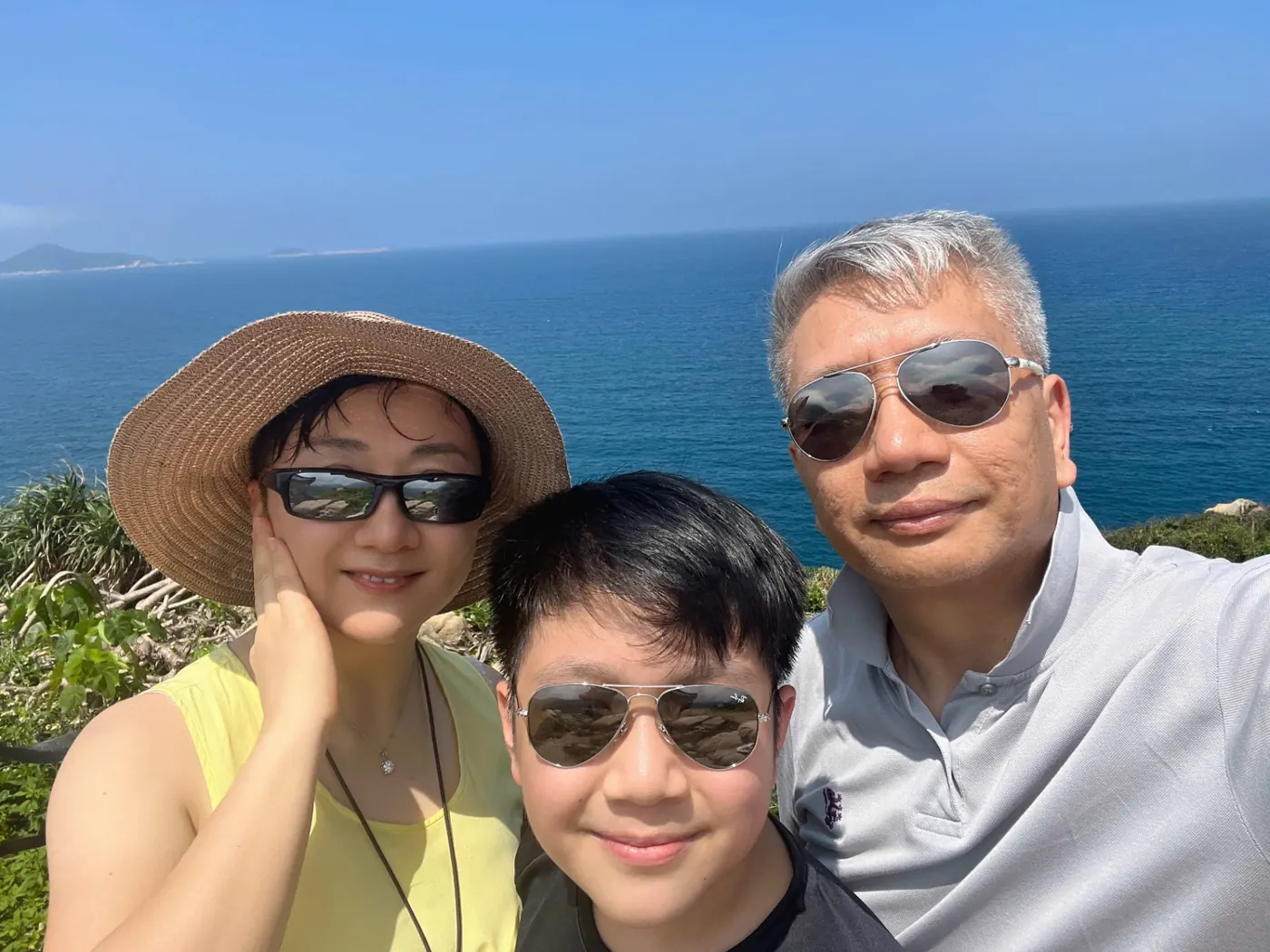
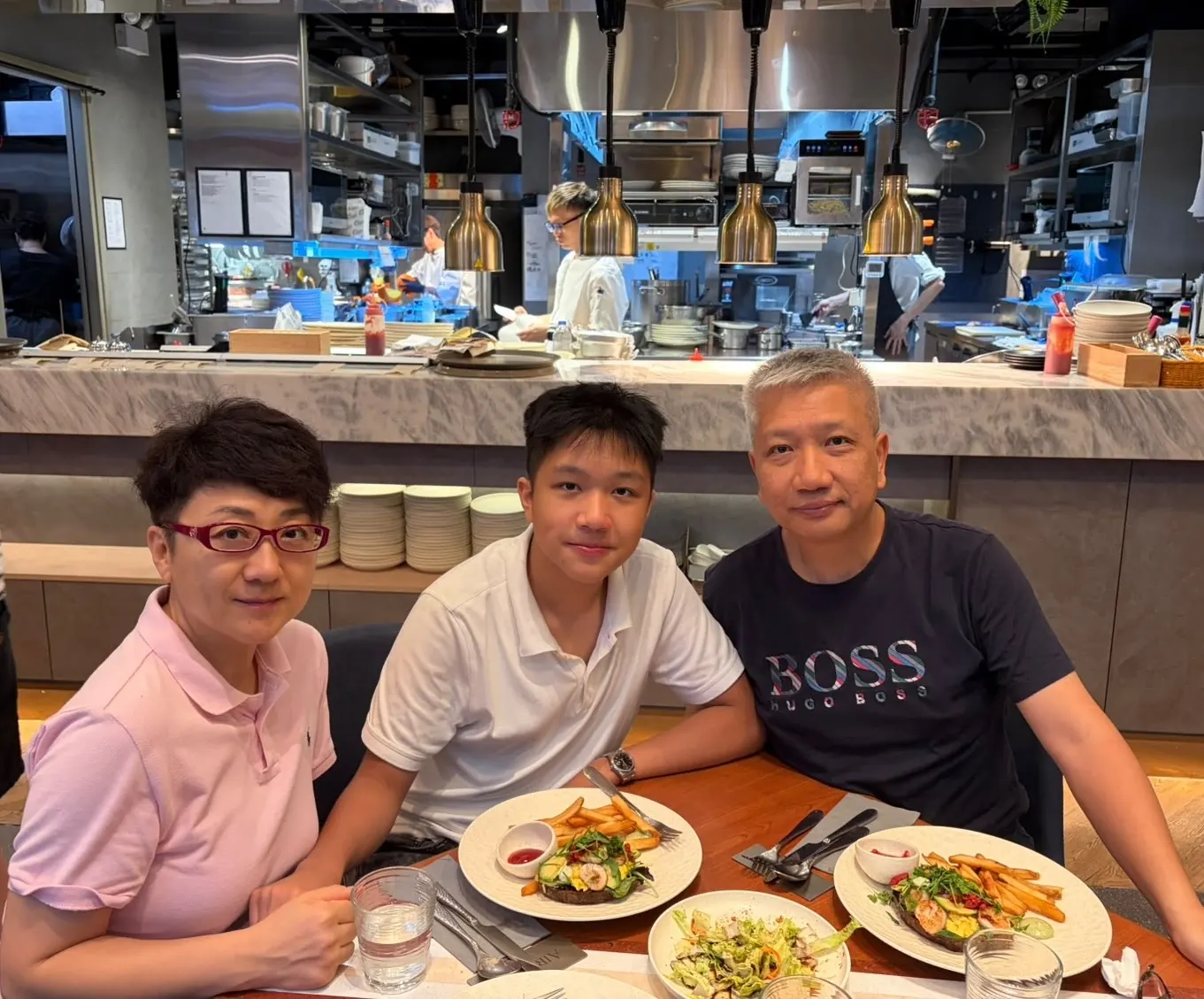
I was born in Guangzhou in 1966 and moved to Hong Kong with my parents in 1976; my younger sister Cheung Tung lives in Hong Kong. Our three children are studying and growing up in America, Australia and Hong Kong.

Eric Cheung welcomes approaches from multinational boards, executive search partners, institutional investors and organisations seeking senior counsel on China and the wider Asia-Pacific.
Enquiries in English, Mandarin, Cantonese or German are all welcome.